Skip to content

Instantly share code, notes, and snippets.

There are three easy to make mistakes in go. I present them here in the way they are often found in the wild, not in the way that is easiest to understand.

All three of these mistakes have been made in Kubernetes code, getting past code review at least once each that I know of.

  1. Loop variables are scoped outside the loop.

What do these lines do? Make predictions and then scroll down.

func print(pi *int) { fmt.Println(*pi) }
@diverted247
diverted247 / README
Last active November 23, 2025 04:13
Export slides from Google Slides as SVG - Console Script (Chrome tested)
To export SVG from Google Slides.
1. Open Slide deck.
2. View -> 100%
3. Click on every thumbnail from first to last, this puts the SVG into the DOM.
4. Paste the export.js in the console.
5. Make sure to allow multiple downloads.
6. All SVG should be in Downloads folder.
Cheers,
@max-mapper
max-mapper / readme.md
Last active May 14, 2022 09:12
list of interdisciplinary open source conferences

Interdisciplinary Open Source Community Conferences

Criteria

  • Must be an event that someone involved in open source would be interested in attending
  • Must be a community oriented event (no corporate owned for-profit events here please)
  • Can't be about a specific language/framework.

Leave suggestions in the comments below

@phuysmans
phuysmans / gist:4f67a7fa1b0c6809a86f014694ac6c3a
Created January 8, 2018 09:29
docker compose health check example
version: '2.1'
services:
php:
tty: true
build:
context: .
dockerfile: tests/Docker/Dockerfile-PHP
args:
version: cli
volumes:
@raysan5
raysan5 / custom_game_engines_small_study.md
Last active August 23, 2026 14:12
A small state-of-the-art study on custom engines

CUSTOM GAME ENGINES: A Small Study

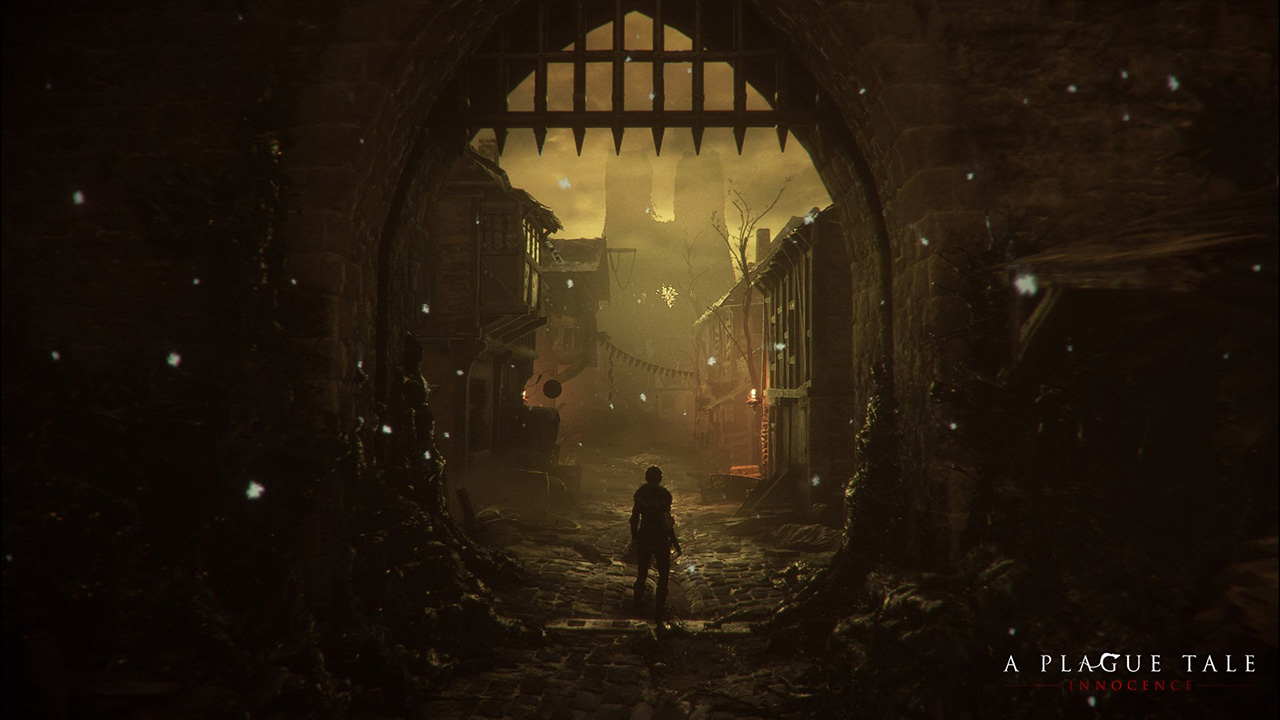
a_plague_tale

WARNING: Article moved to separate repo to allow users contributions: https://github.com/raysan5/custom_game_engines

A couple of weeks ago I played (and finished) A Plague Tale, a game by Asobo Studio. I was really captivated by the game, not only by the beautiful graphics but also by the story and the locations in the game. I decided to investigate a bit about the game tech and I was surprised to see it was developed with a custom engine by a relatively small studio. I know there are some companies using custom engines but it's very difficult to find a detailed market study with that kind of information curated and updated. So this article.

Nowadays lots of companies choose engines like [Unreal](https:

Rank Type Prefix/Suffix Length
1 Prefix my+ 2
2 Suffix +online 6
3 Prefix the+ 3
4 Suffix +web 3
5 Suffix +media 5
6 Prefix web+ 3
7 Suffix +world 5
8 Suffix +net 3
9 Prefix go+ 2

Backup and Restore Postgres databases

https://www.postgresqltutorial.com/postgresql-backup-database/

Backup a specific database use pg_dump

docker exec -t your-db-container pg_dump -U strapi -W -F t database-name > mypostgres_strapi_`date +%d-%m-%Y"_"%H_%M_%S`.sql

Backup all databases use pg_dumpall

docker exec -t your-db-container pg_dumpall -c -U postgres > dump_`date +%d-%m-%Y"_"%H_%M_%S`.sql

LLM Wiki

A pattern for building personal knowledge bases using LLMs.

This is an idea file, it is designed to be copy pasted to your own LLM Agent (e.g. OpenAI Codex, Claude Code, OpenCode / Pi, or etc.). Its goal is to communicate the high level idea, but your agent will build out the specifics in collaboration with you.

The core idea

Most people's experience with LLMs and documents looks like RAG: you upload a collection of files, the LLM retrieves relevant chunks at query time, and generates an answer. This works, but the LLM is rediscovering knowledge from scratch on every question. There's no accumulation. Ask a subtle question that requires synthesizing five documents, and the LLM has to find and piece together the relevant fragments every time. Nothing is built up. NotebookLM, ChatGPT file uploads, and most RAG systems work this way.