
Wael El Oraiby eloraiby


| #ifndef CPU_RELAX_H | |
| #define CPU_RELAX_H | |
| #include <intrin.h> | |
| namespace sync { | |
| inline static void cpu_relax() { | |
| #if (COMPILER == MVCC) |
| #ifndef MCS_LOCK_H | |
| #define MCS_LOCK_H | |
| #include <cstdint> | |
| #include <assert.h> | |
| #include <atomic> | |
| #include <thread> | |
| #include <iostream> |
| #include "mcs_lock.h" | |
| namespace sync { | |
| void mcs_lock::lock() { | |
| //to acquire the lock a thread atomically appends its own local node at the tail of the list returning tail's previous contents | |
| auto prior_node = tail.exchange(&local_node, | |
| std::memory_order_acquire); | |
| if(prior_node != nullptr) { | |
| local_node.locked = true; |

The ASUS Chromebook Flip C100P (veyron_minnie) is the world's first 10" convertible Chromebook with a full metal chassis, so a user can go from laptop to tablet form factor in a snap. The ASUS Chromebook Flip is powered by a Rockchip quad-core processor with 2GB RAM for incredible performance.
It has a 10-finger multi-touch screen, with a comfortable wide key-pitch keyboard and up to 8 hours battery life for all-day mobile use. The connectivity with dual-band WiFi 802.11ac & BT4.0 support can also provide up to 3 times the speed of 802.11n for faster data transfer. Carved from a single block of aluminum for a seamless design, the ASUS Chromebook Flip is not only beautiful, but durable, too.
These instructions will create a dual-booting environment where you can switch between booting Arch Linux ARM and the stock ChromeOS. No changes are made to the internal eMMC drive, and your new Arch Linux ARM install will run completely from external storage. This is the recommen


- 2011 - A trip through the Graphics Pipeline 2011
- 2013 - Performance Optimization Guidelines and the GPU Architecture behind them
- 2015 - Life of a triangle - NVIDIA's logical pipeline
- 2015 - Render Hell 2.0
- 2016 - How bad are small triangles on GPU and why?
- 2017 - GPU Performance for Game Artists
- 2019 - Understanding the anatomy of GPUs using Pokémon


WARNING: Article moved to separate repo to allow users contributions: https://github.com/raysan5/custom_game_engines
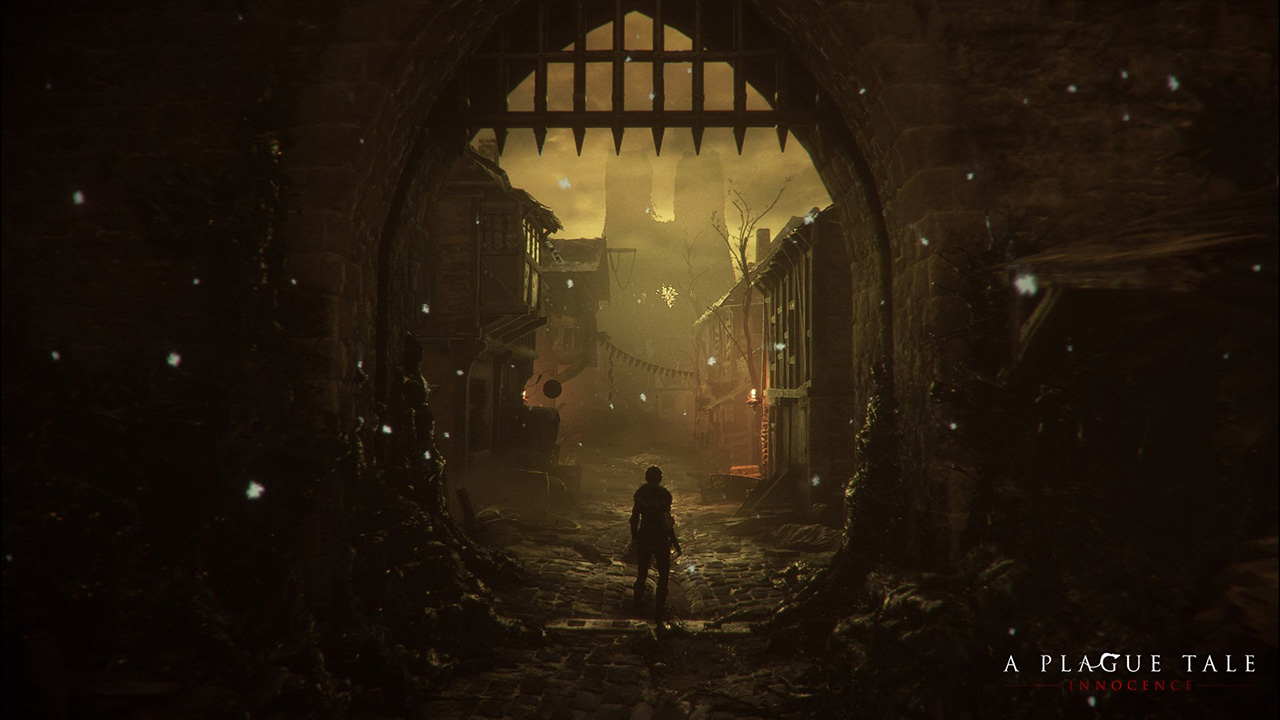
A couple of weeks ago I played (and finished) A Plague Tale, a game by Asobo Studio. I was really captivated by the game, not only by the beautiful graphics but also by the story and the locations in the game. I decided to investigate a bit about the game tech and I was surprised to see it was developed with a custom engine by a relatively small studio. I know there are some companies using custom engines but it's very difficult to find a detailed market study with that kind of information curated and updated. So this article.
Nowadays lots of companies choose engines like [Unreal](https: