
- Hook
- Get the student engaged
- Do
- Get the student involved in the activity (in this case writing on the board)
// Sample program: Count1000.java
public class Count1000 {
    public static void main(String[] args) {
        for (int i=1;i <= 1000; i++) {
            System.out.println(i);
        }
    }
}
Sample lesson: AP CS student has just learned about loop control structures. "Hook" is the bet. Can the student do this in less than 10 LOC for $100?
Walk through each step in the code (literate programming style).
- Ask questions
- "OK?" "Right?" "Got it?" - Gets students to respond with more than a nod. Thumbs up, degree of confidence etc.
- Fist to five can give more data on confidence than simple hand-raising or cold calling.
- Gamification: Kahoot, Plickers, Socrative

Bloom's taxonomy can assist with differentiation
- Provide several ways to demonstrate understanding
- Provide choices (e.g. 4 out of 8 homework problems)
- Standing
- Certainty
- Connections
- Control
- Equity
Stop
Observe a 10 second pause to breathe and think
Detach yourself
Awaken to the other person; be empathetic

vs
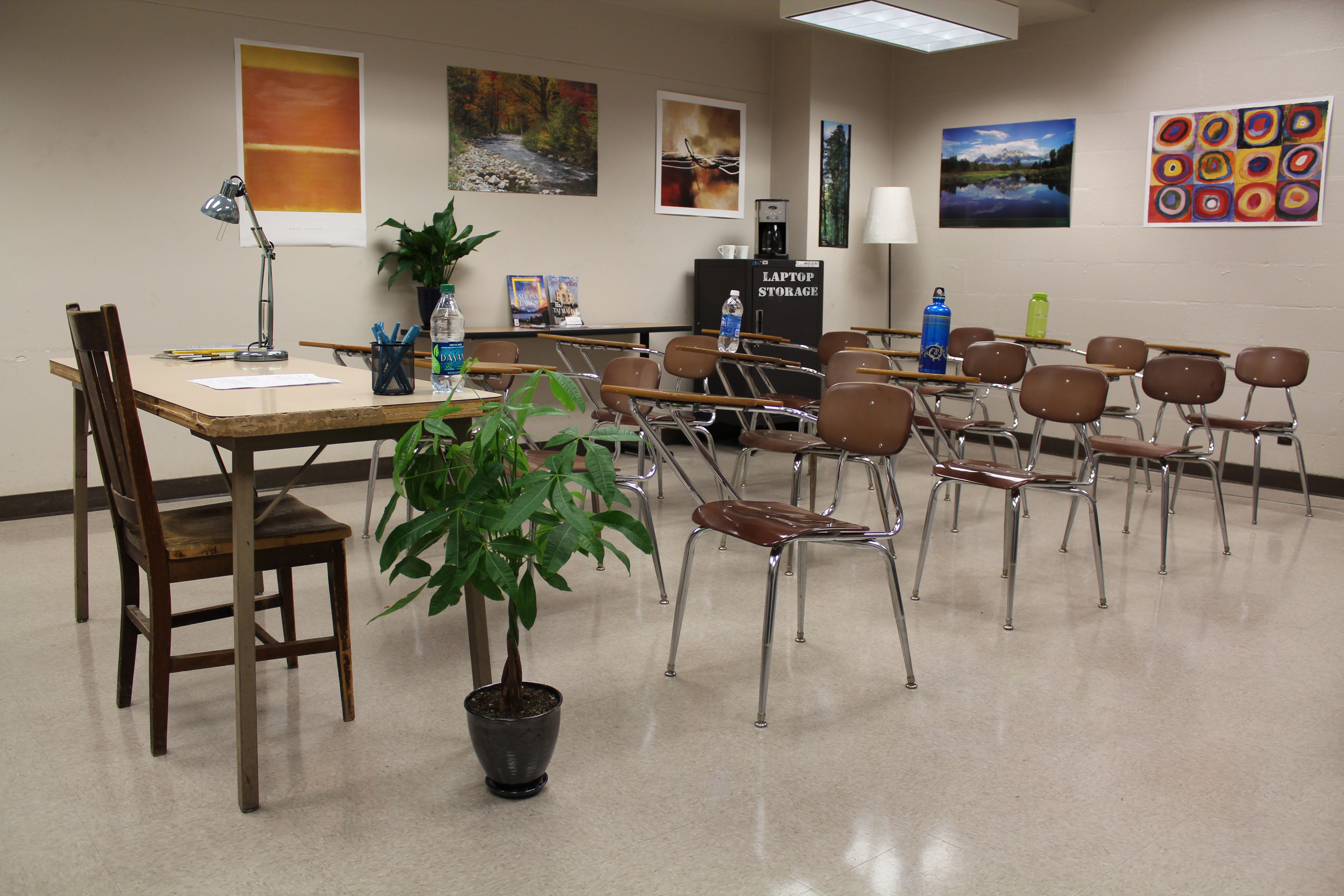
According to UW study, girls 3X as likely to see themselves in second classroom.
- Address confidence gap
- Ensure equity
- Avoid creating tokens
- Monitor images, be inclusive
Stereotype threat is the inverse of implicit bias
- Recognize the stereotype and label it
- Challenge the stereotype
- Provide a counter-generalization
- Provide a counter-example
For the students: 1️⃣ Individuate 2️⃣ Seek situational rather than dispositional reasons
- Use feedback to motivate students
- Calibrate amongst volunteers
- Important difference between collaboration and cheating
- Touching the computer is basically the line
- Review the school's policies and make sure it is posted with the syllabus/LMS/website
- Use face-to-face grading or have student's answer reflection questions on labs.