
Standard escape codes are prefixed with Escape:
- Ctrl-Key:
^[ - Octal:
\033 - Unicode:
\u001b - Hexadecimal:
\x1B - Decimal:
27


| param( | |
| [string]$pattern = "*.*", | |
| [ValidateSet("md5", "sha1", "sha256", "sha384", "sha512")]$algorithm = "sha1", | |
| [switch]$recurse | |
| ) | |
| [Reflection.Assembly]::LoadWithPartialName("System.Security") | out-null | |
| if ($algorithm -eq "sha1") { | |
| $hashimpl = new-Object System.Security.Cryptography.SHA1Managed |

| /* | |
| Delta Compression by Glenn Fiedler. | |
| This source code is placed in the public domain. | |
| http://gafferongames.com/2015/03/14/the-networked-physics-data-compression-challenge/ | |
| */ | |
| #include <stdint.h> | |
| #include <stdio.h> | |
| #include <assert.h> | |
| #include <string.h> |

| <?xml version="1.0" encoding="UTF-8"?> | |
| <opml version="1.0"> | |
| <head> | |
| <title>Graphics, Games, Programming, and Physics Blogs</title> | |
| </head> | |
| <body> | |
| <outline text="Tech News" title="Tech News"> | |
| <outline type="rss" text="Ars Technica" title="Ars Technica" xmlUrl="http://feeds.arstechnica.com/arstechnica/index/" htmlUrl="https://arstechnica.com"/> | |
| <outline type="rss" text="Polygon - Full" title="Polygon - Full" xmlUrl="http://www.polygon.com/rss/index.xml" htmlUrl="https://www.polygon.com/"/> | |
| <outline type="rss" text="Road to VR" title="Road to VR" xmlUrl="http://www.roadtovr.com/feed" htmlUrl="https://www.roadtovr.com"/> |

| // ---- loading a font | |
| static void load_font(void) | |
| { | |
| hb_blob_t *blob; | |
| hb_face_t *face; | |
| size_t filelen = 0; | |
| void *filedata = stb_file("c:/windows/fonts/arial.ttf", &filelen); | |
| if (filedata == 0) stbpg_fatal("Couldn't load font"); |

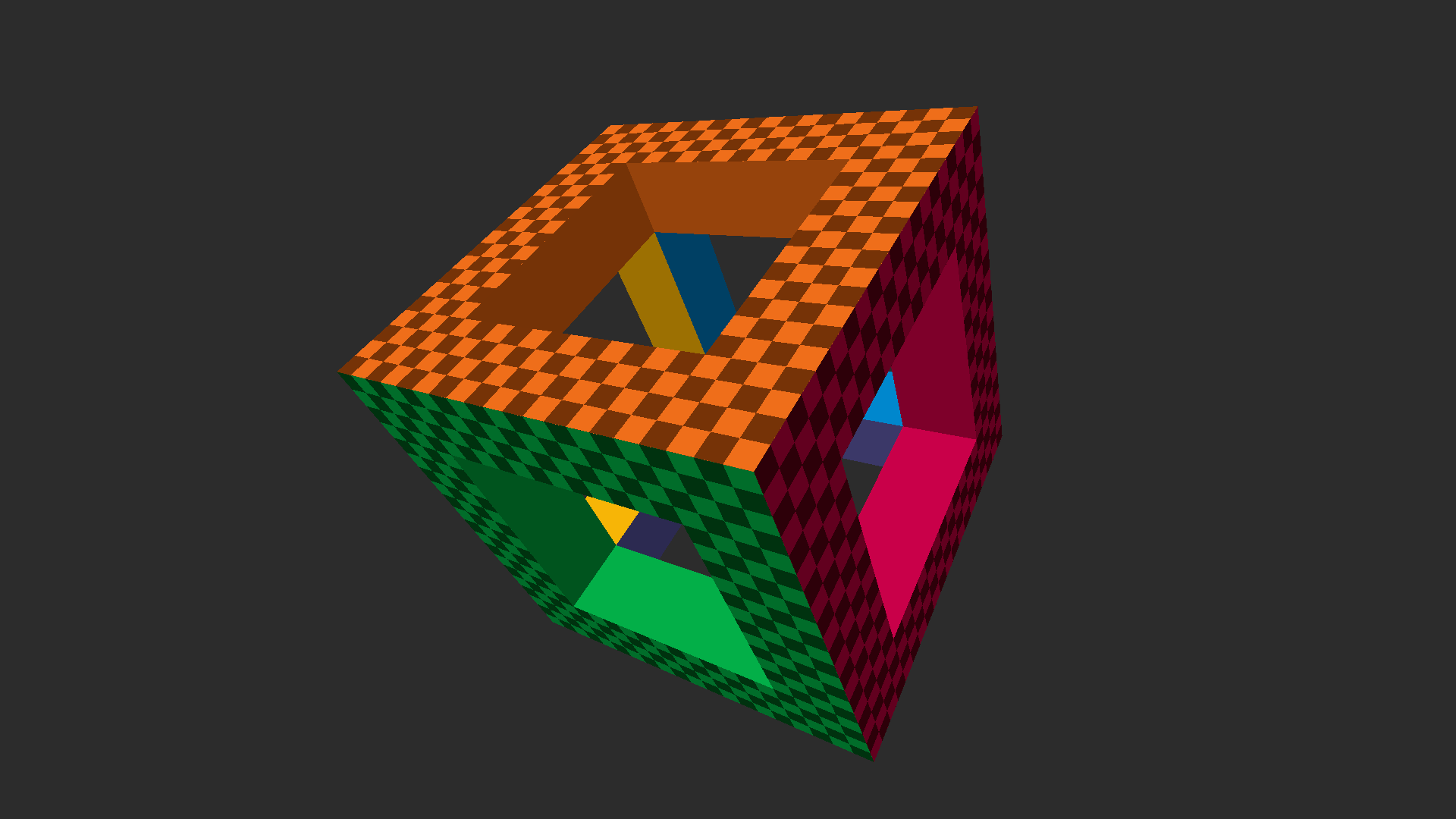
Minimal D3D11 reference implementation: An uncluttered Direct3D 11 setup + basic rendering primer and API familiarizer. Complete, runnable Windows application contained in a single function and laid out in a linear, step-by-step fashion that should be easy to follow from the code alone. ~200 LOC. No modern C++ / OOP or (other) obscuring cruft. View on YouTube

| //#include "matrix.cpp" | |
| #include <windows.h> | |
| #include <d3d11.h> | |
| #include <dxgi.h> | |
| #include <stdint.h> | |
| #include <d3dcompiler.h> | |
| #define assert(expr) if(!(expr)) { *((int *)0) = 0; } | |
| #define invalidCodePath assert(false); |

WARNING: Article moved to separate repo to allow users contributions: https://github.com/raysan5/custom_game_engines
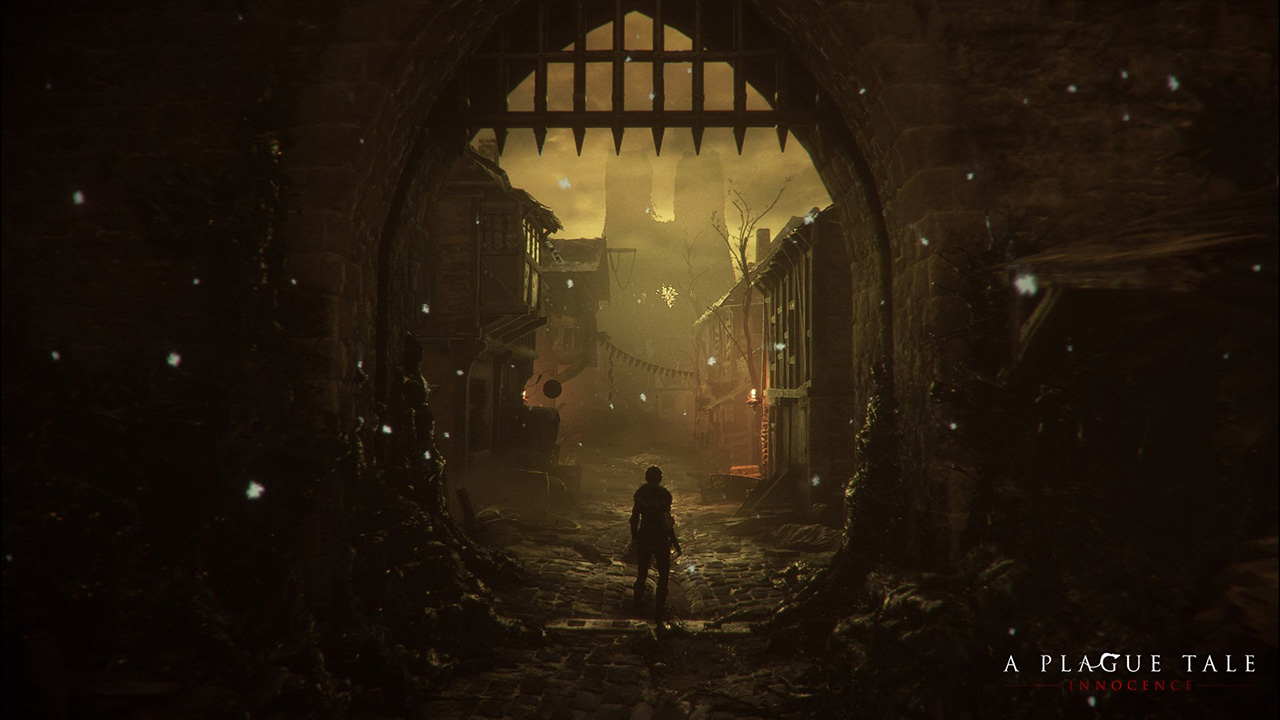
A couple of weeks ago I played (and finished) A Plague Tale, a game by Asobo Studio. I was really captivated by the game, not only by the beautiful graphics but also by the story and the locations in the game. I decided to investigate a bit about the game tech and I was surprised to see it was developed with a custom engine by a relatively small studio. I know there are some companies using custom engines but it's very difficult to find a detailed market study with that kind of information curated and updated. So this article.
Nowadays lots of companies choose engines like [Unreal](https:

| LINKER_FILE_NAME :: "radlink.exe"; | |
| #run build(); | |
| build :: () { | |
| set_build_options_dc(.{do_output=false}); | |
| set_working_directory(#filepath); | |
| options := get_build_options(); | |
| options.output_type = .EXECUTABLE; | |
| options.output_executable_name = "My Executable"; | |
| options.output_path = "./build/"; |