
Yes—here is the article updated to use visuals that are suitable for transparent backgrounds (SVG / transparent PNG), placed where they reinforce the narrative rather than decorate it.



For decades, the browser has been treated as the last mile—the final delivery surface after systems, services, and infrastructure are already decided. In this model, whatever happens in the browser is downstream, constrained, and often considered late-stage polish.
That framing no longer reflects reality.
The browser is now a powerful, standards-based runtime, and for nearly all users it is the only place software exists. When 99% of people experience a system exclusively through what they see and interact with in the browser, calling it the “last mile” is backwards.
It is the first mile.


Back-to-Front (Traditional) Systems are designed inward-out: data models, services, infrastructure, then UI. User experience issues surface late, when change is most expensive.
Front-to-Back (First Mile) A working, standards-based UI comes first. Real interaction defines real requirements. Backend teams then build with clarity—or choose alternative implementations—with fewer assumptions and less risk.

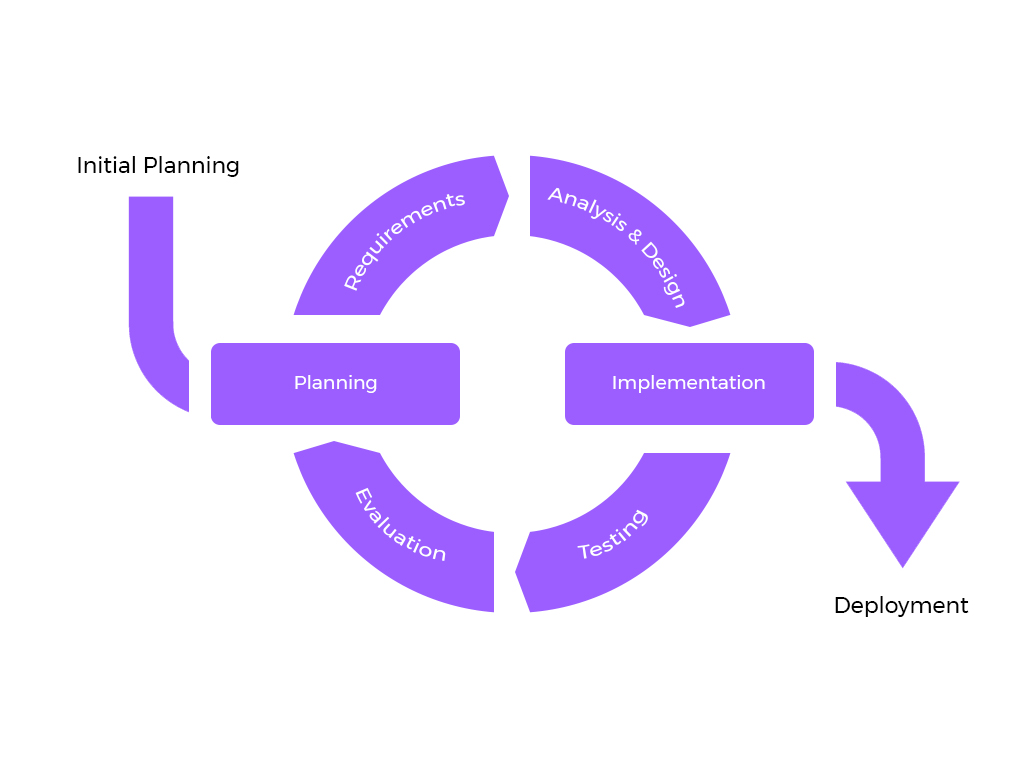
Seen through a first-mile lens, the SDLC starts where humans engage:
- Requirements become visible interaction, not abstract tickets
- Design is real HTML and CSS, not disconnected mockups
- Implementation is informed by proven UI needs
- Testing validates behavior early, not late
- Maintenance becomes safer because the UI is stable and standards-driven
The browser becomes a living specification, not a fragile endpoint.
The D7460N Architecture exists as a full, concrete expression of this first-mile model: browser-native, standards-based, and front-to-back by design. It treats UI as an asset that clarifies systems rather than a liability that reacts to them.
This is not anti-backend thinking. It is pro-clarity, pro-optionality, and pro-future.
If you want, next steps I can do immediately:
- Replace these with custom SVG diagrams aligned exactly to your terminology
- Map each SDLC phase explicitly to D7460N constraints
- Produce a print-ready / slide-ready version using only transparent assets