Preparation
truncate -s20G d1.img
truncate -s20G d2.img
truncate -s20G d3.img
truncate -s20G d4.img
set ld1 (sudo losetup --show --find d1.img)

| #include <AK/DistinctNumeric.h> | |
| #include <AK/NonnullOwnPtr.h> | |
| #include <AK/Vector.h> | |
| #include <LibMain/Main.h> | |
| #include <sys/mman.h> | |
| // JS::Bytecode::Executable (jitme) | |
| // 1: | |
| //[ 0] Store $5 | |
| //[ 20] LoadImmediate 0 |


| #!/usr/bin/env bash | |
| set -Eeuo pipefail | |
| trap cleanup SIGINT SIGTERM ERR EXIT | |
| script_dir=$(cd "$(dirname "${BASH_SOURCE[0]}")" &>/dev/null && pwd -P) | |
| usage() { | |
| cat <<EOF | |
| Usage: $(basename "${BASH_SOURCE[0]}") [-h] [-v] [-f] -p param_value arg1 [arg2...] |

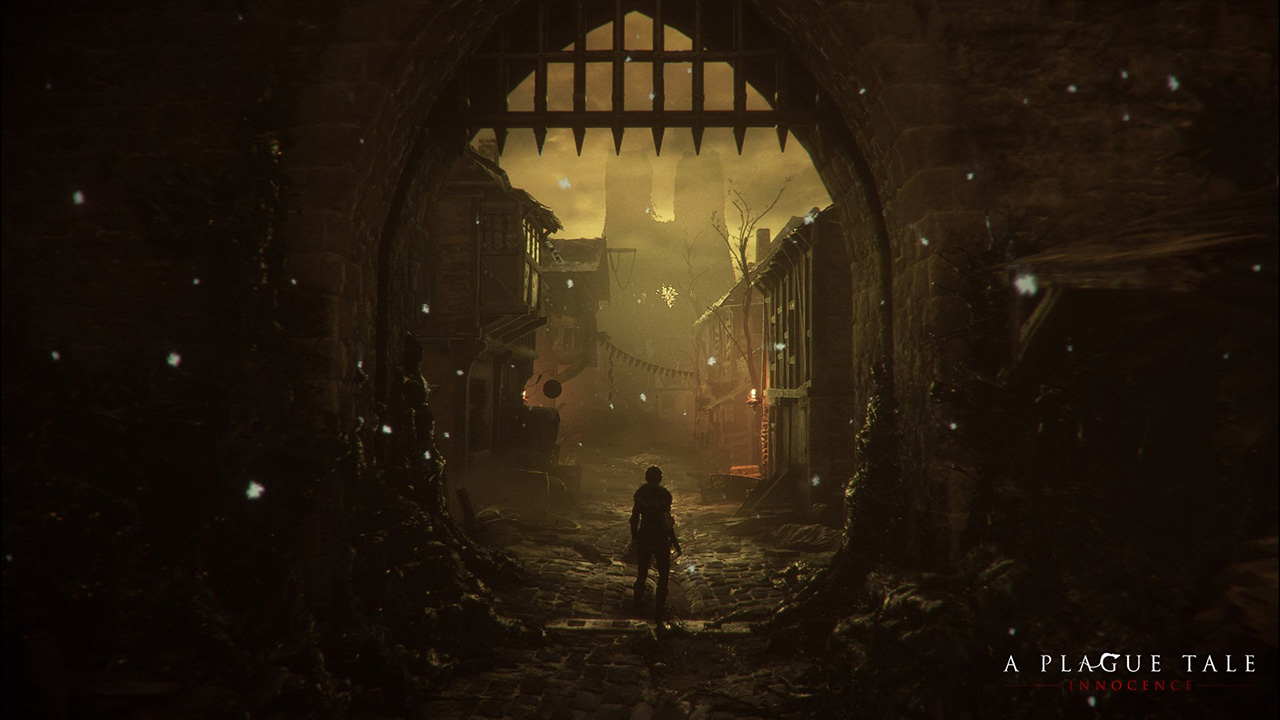
WARNING: Article moved to separate repo to allow users contributions: https://github.com/raysan5/custom_game_engines
A couple of weeks ago I played (and finished) A Plague Tale, a game by Asobo Studio. I was really captivated by the game, not only by the beautiful graphics but also by the story and the locations in the game. I decided to investigate a bit about the game tech and I was surprised to see it was developed with a custom engine by a relatively small studio. I know there are some companies using custom engines but it's very difficult to find a detailed market study with that kind of information curated and updated. So this article.
Nowadays lots of companies choose engines like [Unreal](https:

This is free and unencumbered software released into the public domain.
Anyone is free to copy, modify, publish, use, compile, sell, or distribute this software, either in source code form or as a compiled binary, for any purpose, commercial or non-commercial, and by any means.
In jurisdictions that recognize copyright laws, the author or authors of this software dedicate any and all copyright interest in the software to the public domain. We make this dedication for the benefit

| # --------------------------------------------------------------------------- | |
| # | |
| # Description: This file holds all my BASH configurations and aliases. | |
| # Much of this was originally copied from: | |
| # http://natelandau.com/my-mac-osx-bash_profile/ | |
| # | |
| # Sections: | |
| # 1. Environment Configuration | |
| # 2. Make Terminal Better (remapping defaults and adding functionality) | |
| # 3. File and Folder Management |

| # Download latest archlinux bootstrap package, see https://www.archlinux.org/download/ | |
| wget 'ftp://ftp.nluug.nl/pub/os/Linux/distr/archlinux/iso/latest/archlinux-bootstrap-*-x86_64.tar.gz' | |
| # Make sure you'll have enough entropy for pacman-key later. | |
| apt-get install haveged | |
| # Install the arch bootstrap image in a tmpfs. | |
| mount -t tmpfs none /mnt | |
| cd /mnt | |
| tar xvf ~/archlinux-bootstrap-*-x86_64.tar.gz --strip-components=1 |

| /* | |
| how dynamic paths work | |
| while this design sounds good, may wish to consider allowing something like | |
| {param|/regex/} | |
| would require the existance of "DynNode" to store the regex validator | |
| but also, the parent Node would need to store an array of DynNodes | |
| don't need to store the param names though, since it can be stored in the dynnodes themselves | |
| when adding, must verify the names match up |

Hello software developers,
Please check your code to ensure you're not making one of the following mistakes related to cryptography.

The backend's code is now on Github, as are the specs.