You signed in with another tab or window. Reload to refresh your session.You signed out in another tab or window. Reload to refresh your session.You switched accounts on another tab or window. Reload to refresh your session.Dismiss alert
Minimal D3D11 reference implementation: An uncluttered Direct3D 11 setup + basic rendering primer and API familiarizer. Complete, runnable Windows application contained in a single function and laid out in a linear, step-by-step fashion that should be easy to follow from the code alone. ~200 LOC. No modern C++ / OOP or (other) obscuring cruft. View on YouTube
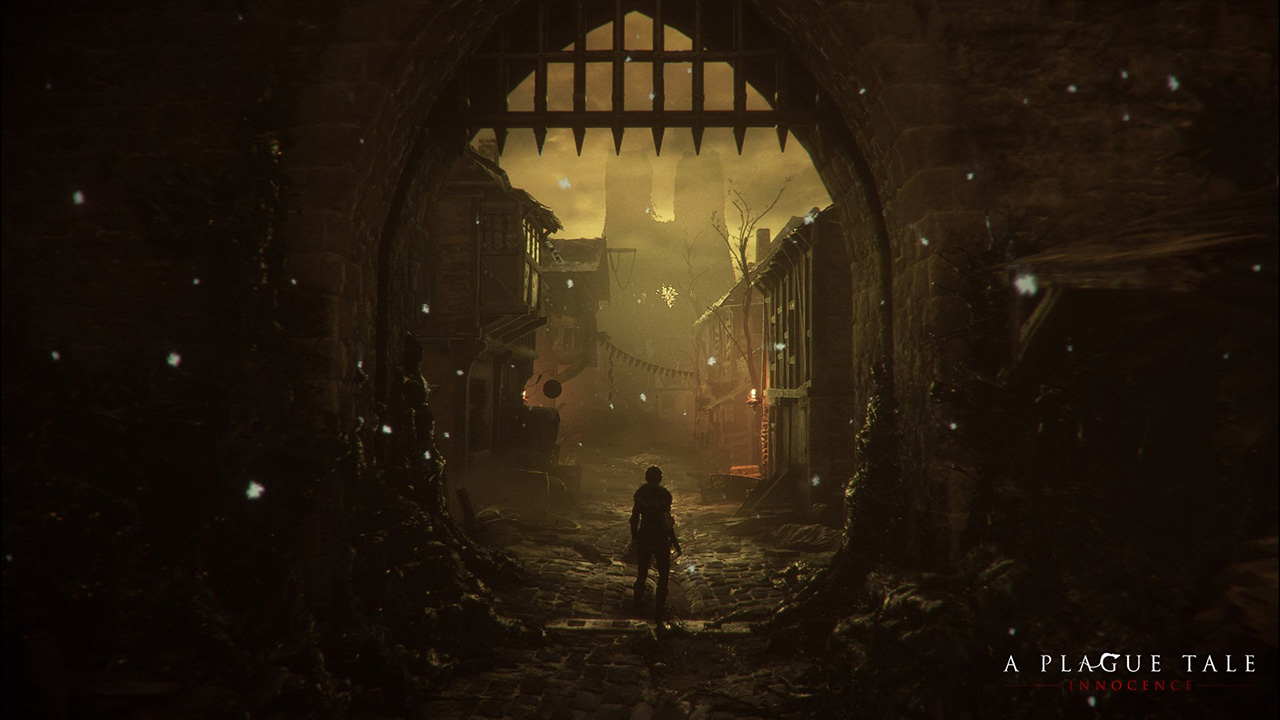
A couple of weeks ago I played (and finished) A Plague Tale, a game by Asobo Studio. I was really captivated by the game, not only by the beautiful graphics but also by the story and the locations in the game. I decided to investigate a bit about the game tech and I was surprised to see it was developed with a custom engine by a relatively small studio. I know there are some companies using custom engines but it's very difficult to find a detailed market study with that kind of information curated and updated. So this article.
Nowadays lots of companies choose engines like [Unreal](https:
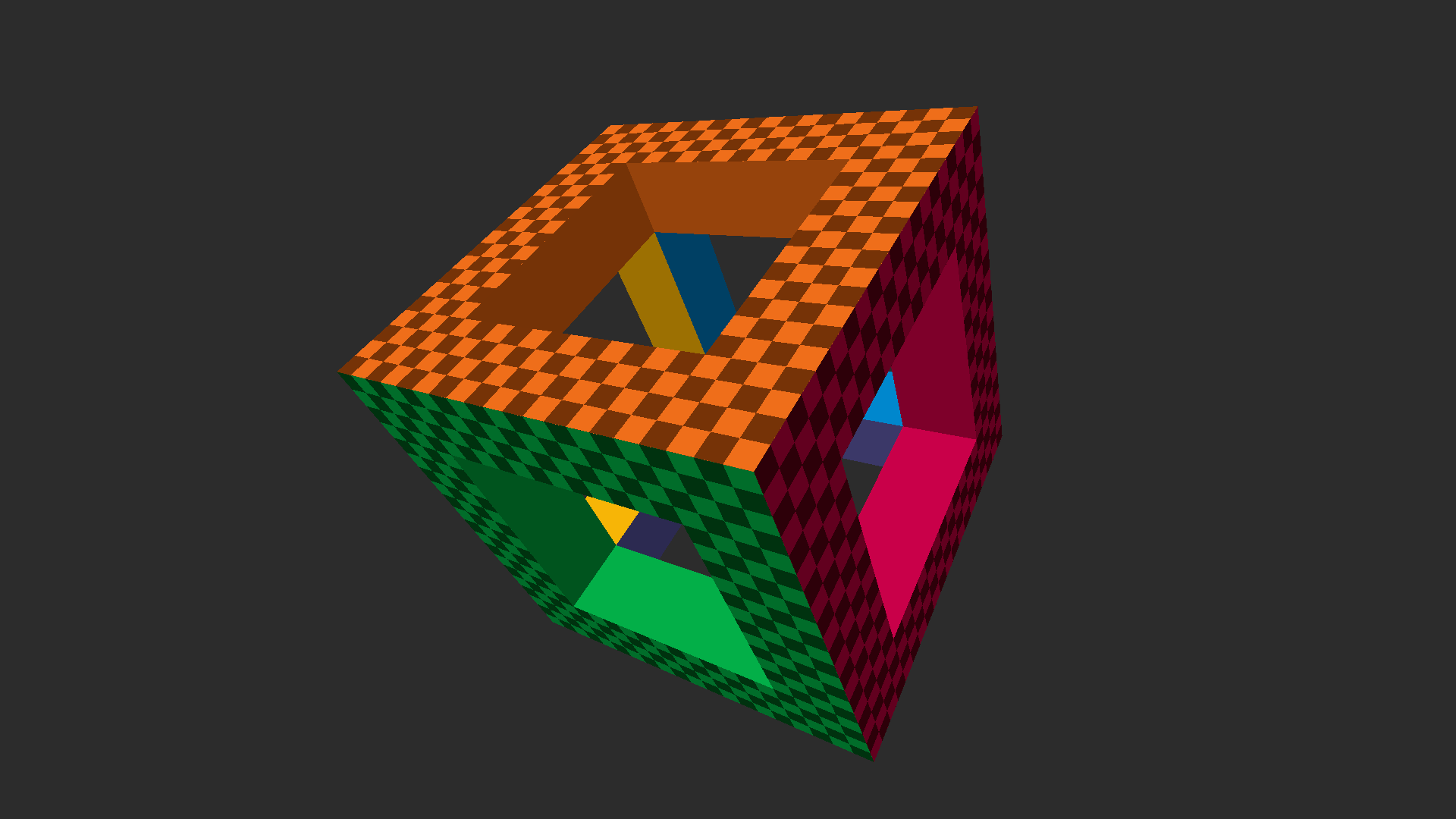
A spin-off from the mainline Minimal D3D11 series, adding two-lane instanced rendering. As before: An uncluttered Direct3D 11 setup & basic rendering primer / API familiarizer. Complete, runnable Windows application contained in a single function and laid out in a linear, step-by-step fashion. No modern C++ / OOP / obscuring cruft.
The main difference here is that the hollow cube itself is rendered using instancing (which saves a lot of vertices compared to the original, so geometry data is now small enough to be included in the source without being too much in the way), but also all trigonometry and matrix math is moved to the vertex shader, simplifying the main code (and not needing math.h).
NOIR: A Neatly Optimal Intermediate Representation
NOIR: A Neatly Optimal Intermediate Representation
By Leonard Ritter (25.9.2024, last update 6.1.2024)
NOIR is a high-level function-scope intermediate representation for programs, extending SSA Form but omitting basic blocks in favor of a simple acyclic dependency structure that is simpler to evaluate, analyze, canonicalize and optimize, particularly in the context of concurrent and iterative execution, and offers different lowering strategies.
In order to render a function-level IR fully functional, we only need five things: instructions, ordering, branches, merges and loops. In the following sections, we will introduce and describe each element.
As an introductory example and for overview, here is an iterative fibonacci procedure expressed in NOIR pseudocode: