A Pen by Arifayan Idowu Olatubosun on CodePen.

Trent Polack trentpolack


notnotrobby
/ cgp.md
Last active
September 2, 2026 12:30
List of free resources to study computer graphics programming.
List of freely available resources to study computer graphics programming.

raysan5
/ custom_game_engines_small_study.md
Last active
August 23, 2026 14:12
A small state-of-the-art study on custom engines
WARNING: Article moved to separate repo to allow users contributions: https://github.com/raysan5/custom_game_engines
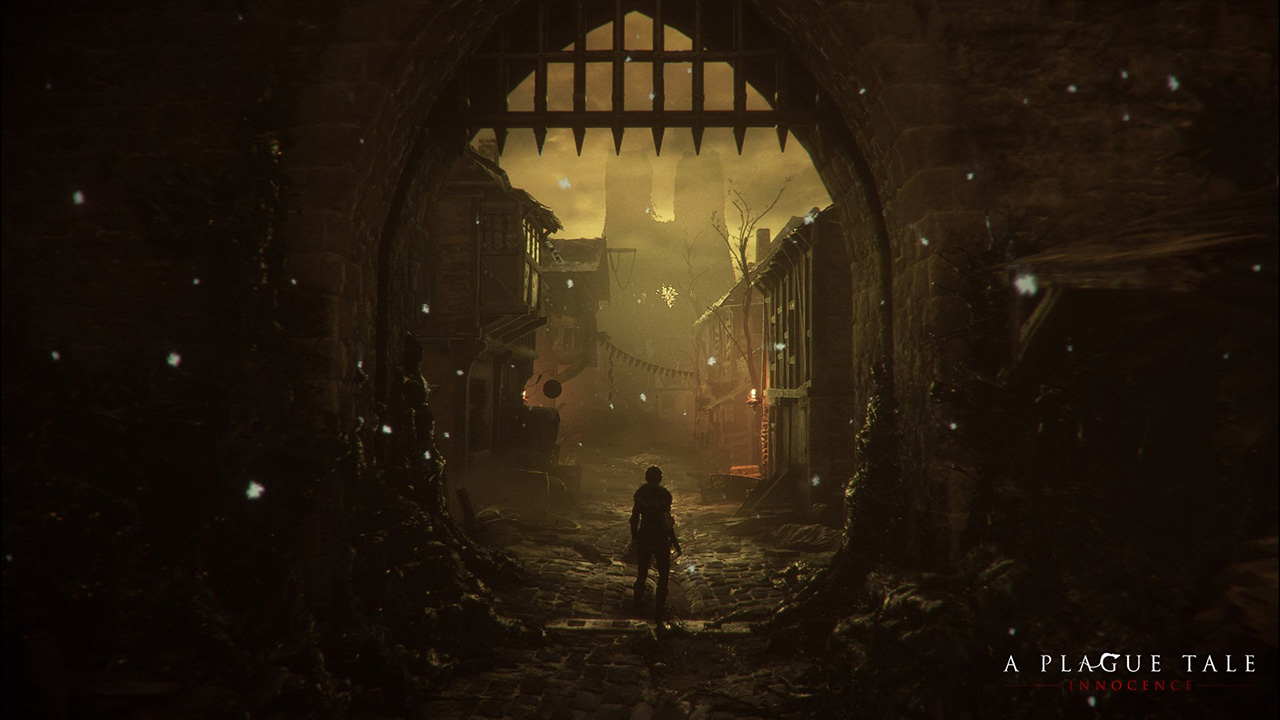
A couple of weeks ago I played (and finished) A Plague Tale, a game by Asobo Studio. I was really captivated by the game, not only by the beautiful graphics but also by the story and the locations in the game. I decided to investigate a bit about the game tech and I was surprised to see it was developed with a custom engine by a relatively small studio. I know there are some companies using custom engines but it's very difficult to find a detailed market study with that kind of information curated and updated. So this article.
Nowadays lots of companies choose engines like [Unreal](https:

silvesthu
/ GPUOptimizationForGameDev.md
Last active
August 5, 2026 14:10
GPU Optimization for GameDev
- 2011 - A trip through the Graphics Pipeline 2011
- 2013 - Performance Optimization Guidelines and the GPU Architecture behind them
- 2015 - Life of a triangle - NVIDIA's logical pipeline
- 2015 - Render Hell 2.0
- 2016 - How bad are small triangles on GPU and why?
- 2017 - GPU Performance for Game Artists
- 2019 - Understanding the anatomy of GPUs using Pokémon

syoyo
/ gist:831c4b1926aa88c0da9221211723da2d
Created
December 17, 2018 13:12
C++ implementaion of "A simple method to construct isotropic quasirandom blue noise point sequences"
This file contains hidden or bidirectional Unicode text that may be interpreted or compiled differently than what appears below. To review, open the file in an editor that reveals hidden Unicode characters.
Learn more about bidirectional Unicode characters
| // | |
| // C++ implementaion of "A simple method to construct isotropic quasirandom blue | |
| // noise point sequences" | |
| // | |
| // http://extremelearning.com.au/a-simple-method-to-construct-isotropic-quasirandom-blue-noise-point-sequences/ | |
| // | |
| // Assume 0 <= x | |
| static double myfmod(double x) { return x - std::floor(x); } |
trentpolack
/ UE4EditorViewLocation.cpp
Created
July 6, 2018 01:07
Get the actual camera location in the UE4 viewport? MAYBE?
This file contains hidden or bidirectional Unicode text that may be interpreted or compiled differently than what appears below. To review, open the file in an editor that reveals hidden Unicode characters.
Learn more about bidirectional Unicode characters
| auto world = GetWorld(); | |
| if(world == nullptr) | |
| return; | |
| auto viewLocations = world->ViewLocationsRenderedLastFrame; | |
| if(viewLocations.Num() == 0) | |
| return; | |
| FVector camLocation = viewLocations[0]; |
trentpolack
/ Fun With Macros.md
Last active
July 18, 2019 19:13
Old-School #pragma Messages to Yourself
For particularly necessary to-do reminders, the JM_TODO macro below will print to the build console (and on the warning/error list) as a trivial warning -- so it won't interfere with builds that treat warnings as errrors. Then you can just double-click it and jump to that spot.

#define JM_PRAGMA_STRING2(x) #x
#define JM_PRAGMA_STRING(x) JM_PRAGMA_STRING2(x)
trentpolack
/ MovementComponent_TrentsHighlights.cpp
Last active
August 4, 2024 09:42
The "Fun" to be had (i.e. a big rant) in writing a general-purpose physical movement component (compound colliders representing static and skeletal meshes and more, but still interacting with the world as a physical entity). NOTE: All comments in this gist are by me.
This file contains hidden or bidirectional Unicode text that may be interpreted or compiled differently than what appears below. To review, open the file in an editor that reveals hidden Unicode characters.
Learn more about bidirectional Unicode characters
| // Comments are left by me, not from the code. | |
| // Because why not have a default set or make the method abstract or, really, anything but this. Luckily no one would ever | |
| // think to use ::GetMaxSpeed as a divisor or anything. | |
| inline float UMovementComponent::GetMaxSpeed() const | |
| { | |
| return 0.f; | |
| } | |
| // FUN FACT: UMovementComponent defines a plethora of methods for managing the maximum speed of a component. It does not, |
trentpolack
/ AccessorMacroGenerators.h
Last active
January 26, 2018 19:48
Unreal Engine 4 -- Member Accessor Method Macros (NOTE: This does not result in the accessors being available for blueprint-use as they're not UFUNCTIONs).
This file contains hidden or bidirectional Unicode text that may be interpreted or compiled differently than what appears below. To review, open the file in an editor that reveals hidden Unicode characters.
Learn more about bidirectional Unicode characters
| // NOTE: This does not result in the accessors being available for blueprint-use as they're not UFUNCTIONs. | |
| UCLASS( ) | |
| class URawr : public UObject | |
| { | |
| GENERATED_CLASS( ) | |
| protected: | |
| float RawrValue; | |
trentpolack
/ EnumerationType.h
Last active
September 23, 2024 12:16
Enumerations in Unreal Engine 4
This file contains hidden or bidirectional Unicode text that may be interpreted or compiled differently than what appears below. To review, open the file in an editor that reveals hidden Unicode characters.
Learn more about bidirectional Unicode characters
| // Generally, developers in UE4 tend towards the following convention for enumerations: | |
| UENUM( BlueprintType ) | |
| enum class ENoiseGeneratorCellularType : uint8 | |
| { | |
| NGCT_Natural UMETA( DisplayName = "Natural" ), | |
| NGCT_Euclidean UMETA( DisplayName = "Euclidean" ), | |
| NGCT_Manhattan UMETA( DisplayName = "Manhattan" ), | |
| NGCT_Max UMETA( Hidden ) | |
| }; |
NewerOlder