
Software Engineering :: Agile :: Courses :: Agile in the Real World
⪼ Made with 💜 by realpolyglot.dev
...
- ...
...
- Agile is an Approach
- If you boil agile down to it's minimum, you pretty much get scrum
- Waterfall is a defined process: The same inputs and process always yield the same outputs
- Scrum is an empirical process - Gather experience and adapt accordingly
- Incremental !== Iterative
- Incremental = Product is delivered in small chunks - Highest priority features first - Features are complete at delivery
- Iterative = Skeleton product delivered first - Successive releases refine the product - Incorporates customer feedback throughout delivery
...
- ...
To get the true value out of an agile approach, incremental and iterative delivery must be combined.
Iterative Delivery
- To get the true value out of an agile approach, incremental and iterative delivery must be combined.
- Build the *Most Important parts of the product first as a working skeleton
- Demo To Customer
- Fill in what's missing based on customer feedback
- This allows development teams to deliver a more holistic product earlier in the development cycle
- The product may be light on features initially; however, it allows the customer to provide feedback sooner rather than later
- Refined through successive releases
- Gives the user an opportunity to interact with the app in a meaningful way and provide better feedback about how the features of the app interact
- Helps avoid investing in polishing a feature only to find out that it's not what the user wanted and having to throw all of that work away
Incremental Only
this is basically mini-waterfall
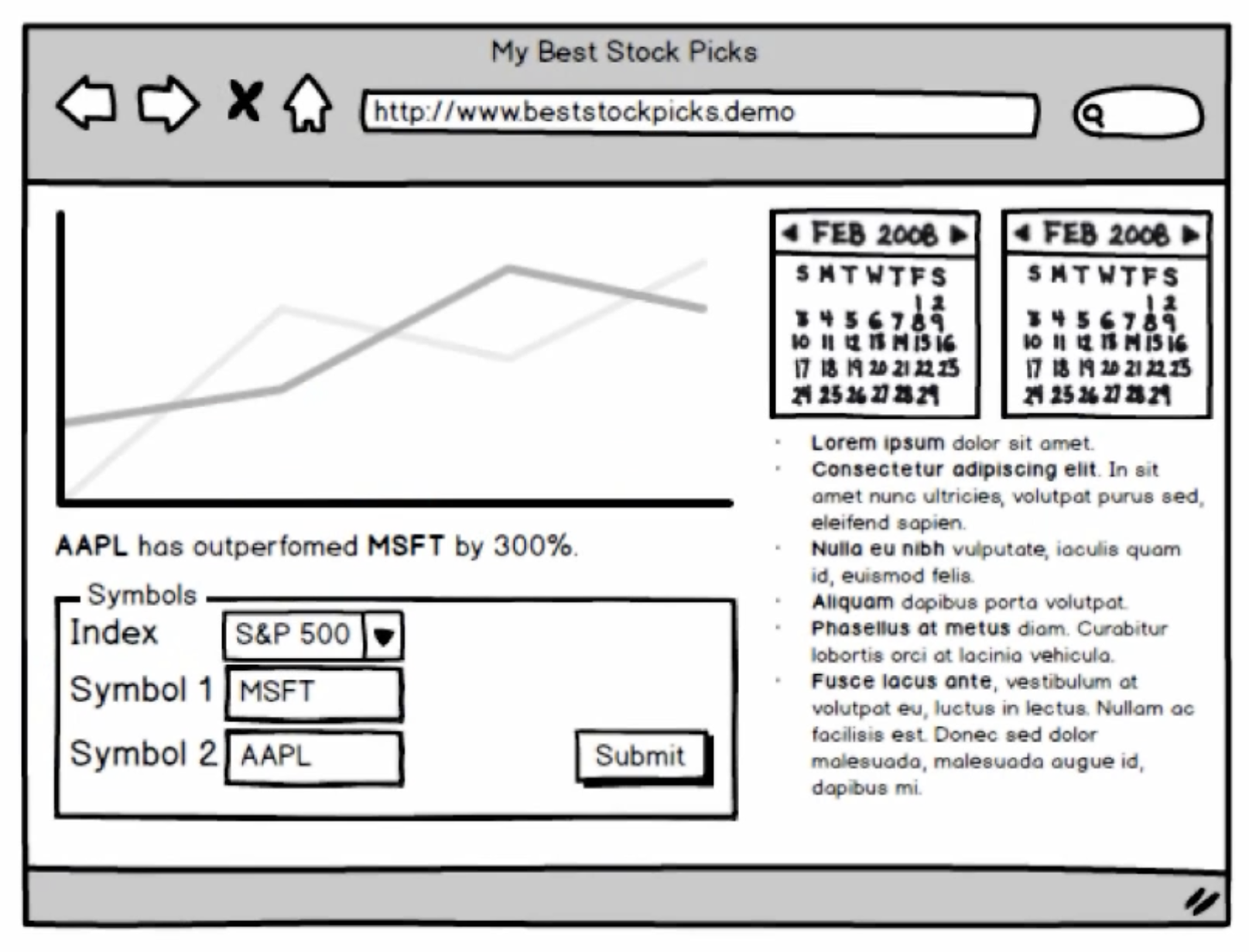
Incremental & Iterative
Allows user to interact with a single stock with a static index and static date/time range instead of building date/time controls and include only fixed links instead of a synopsis
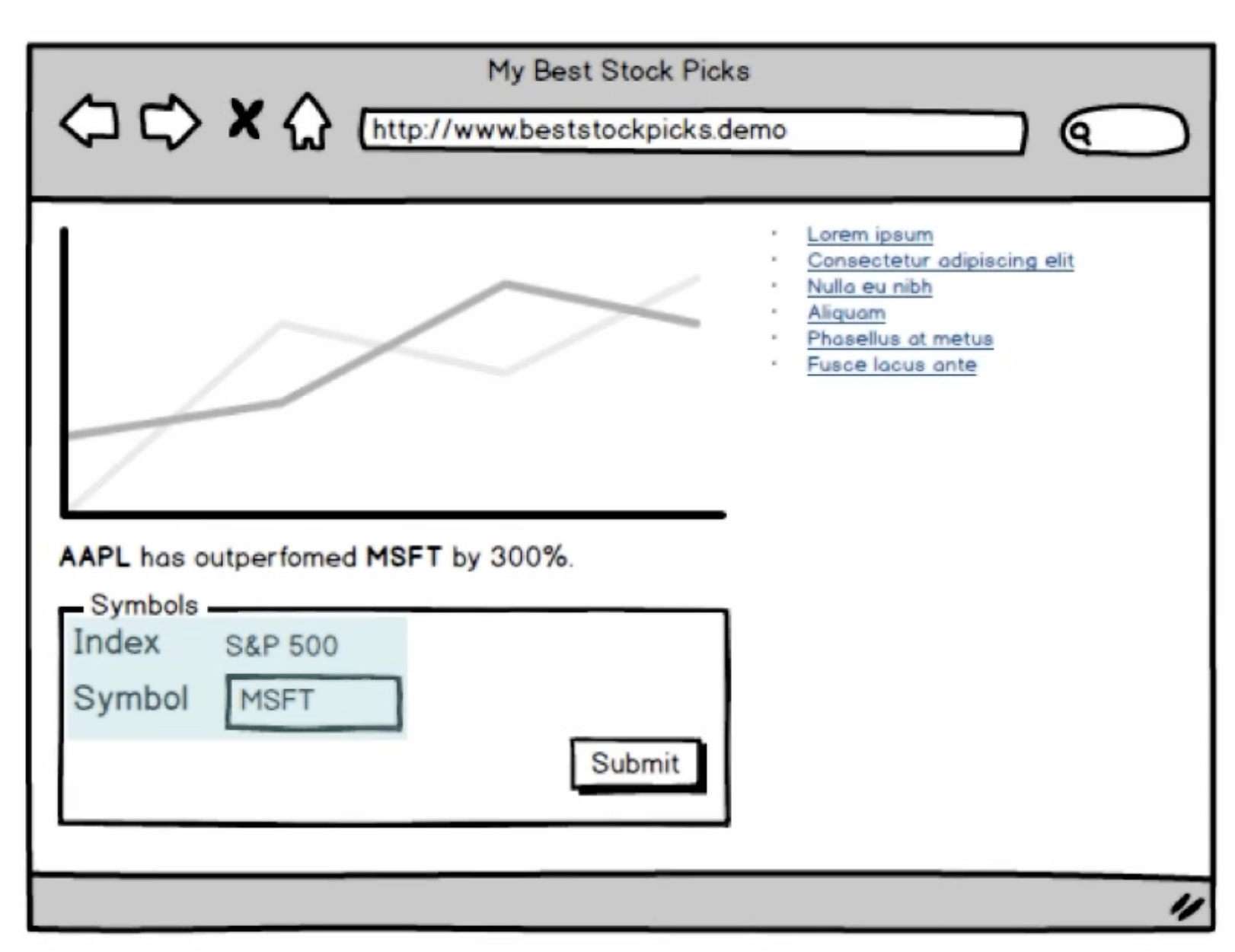
Next iteration provides user with index selection and date range controls
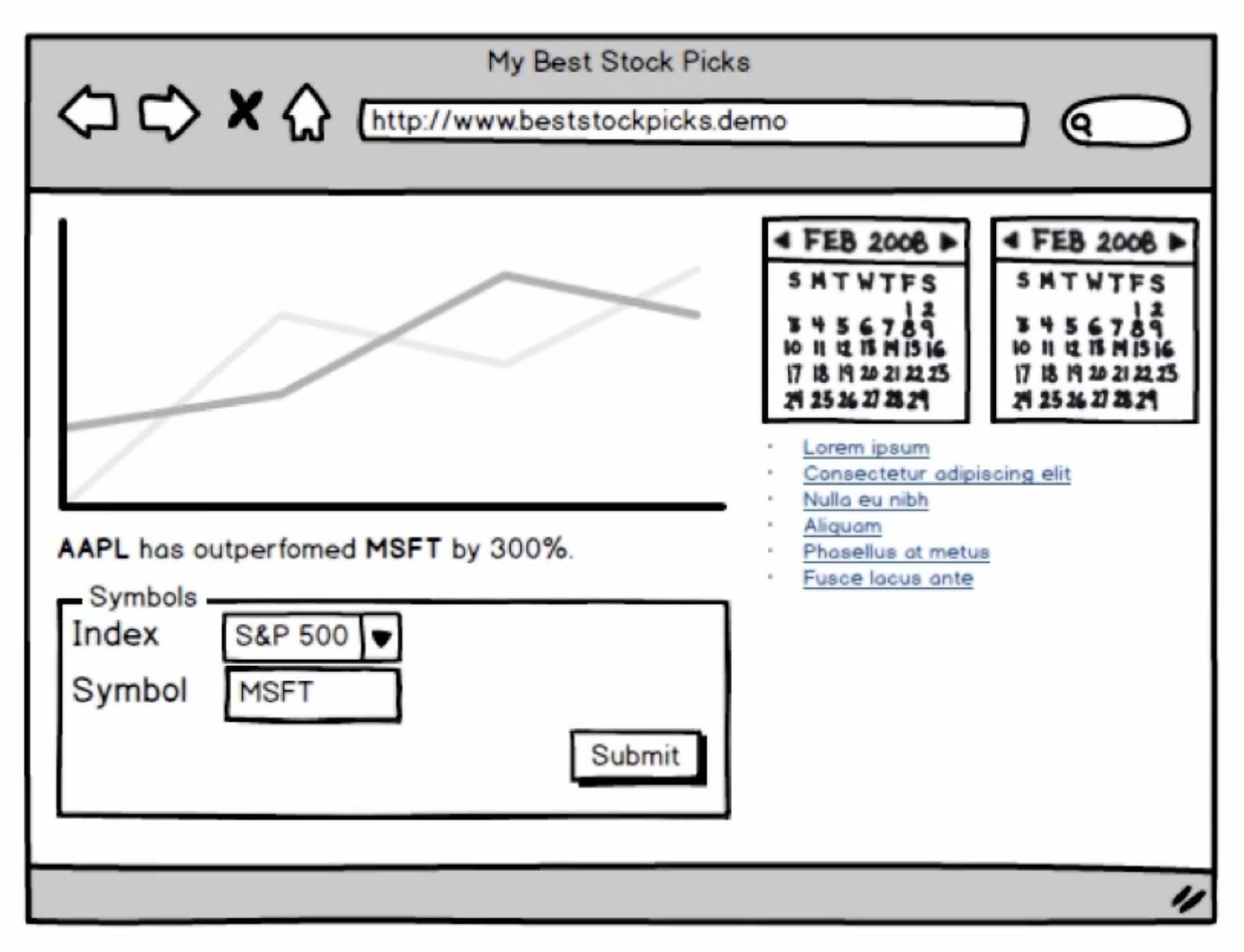
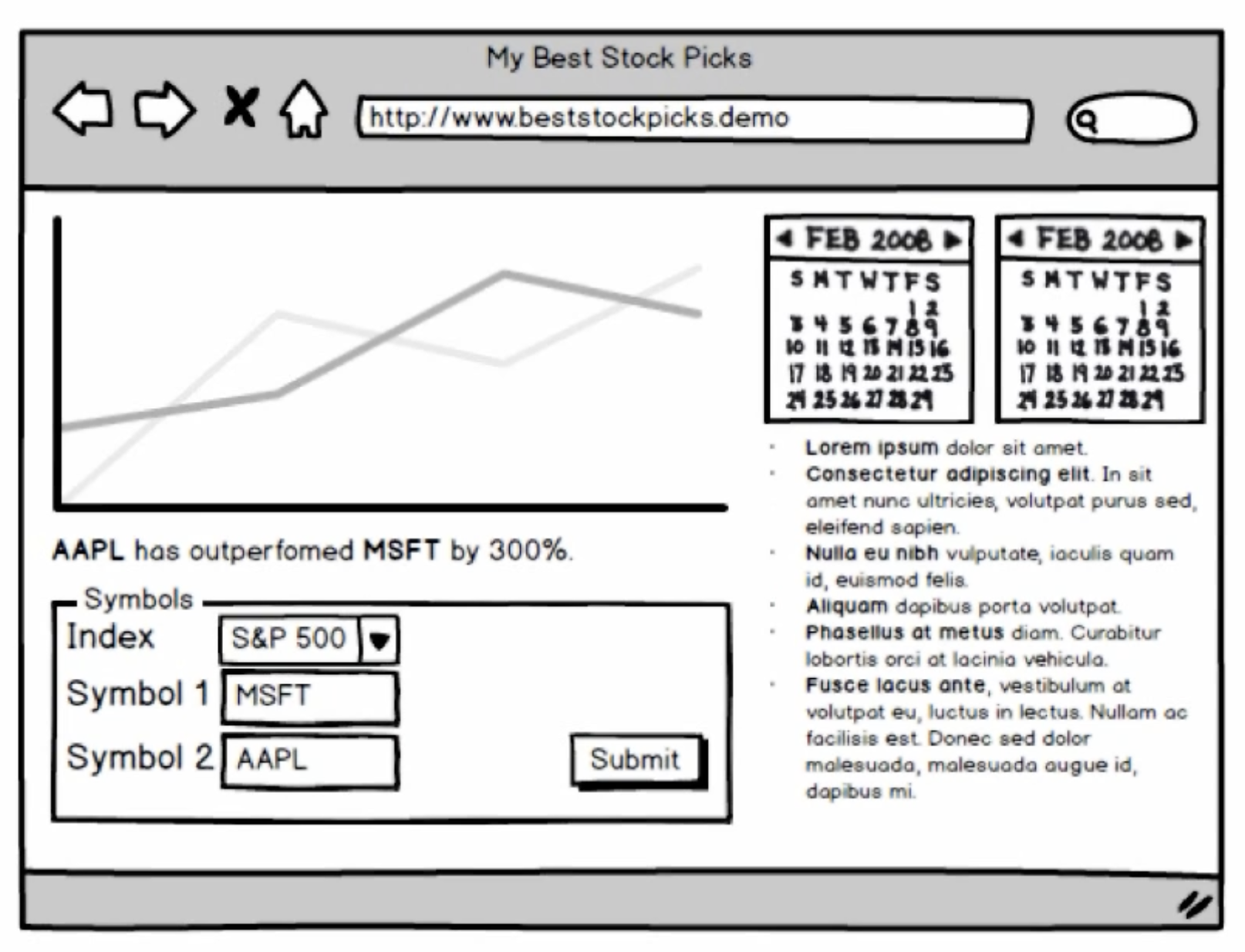
Final iteration allows user to select a second stock for comparison and provide synopsis for news events
...
- Scrum + Kanban (Lean) = Scrumban
Resources for Getting Started With Scrum
What is a Product Owner?
- Provides Vision and Boundaries
- Customer Facing
- Most important role, but toughest to learn
- Significant shift for many product organizations: From "getting out in front" to "just-in-time"
- No clear incentives: Benefits take longer to realize
Sprints (i.e. Iterations)
- A timeboxed effort, in which a team attempts to deliver a potential shippable unit of software.
- While it isn't always necessary to ship at the end of the sprint, there should be no reason that you cannot ship at this point
- Sprints tend to be 1-week in length, up to 4-weeks in length; though, 2-weeks is the most common for most teams
- It's not as important which sprint-length is choosen; it's more important that the sprint-length be consistent and the team is comfortable with it
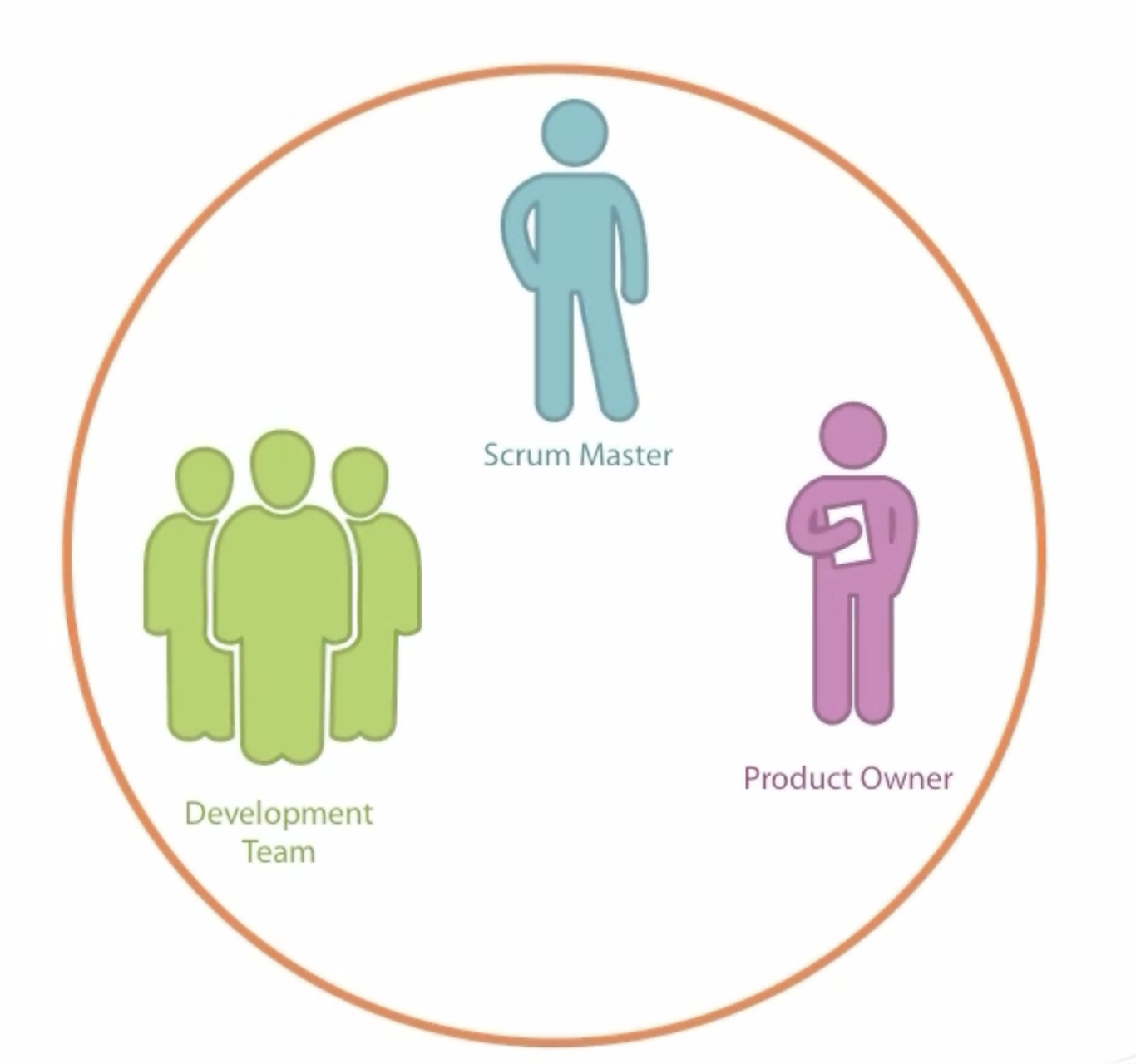
The Product Owner and The Team
outside team
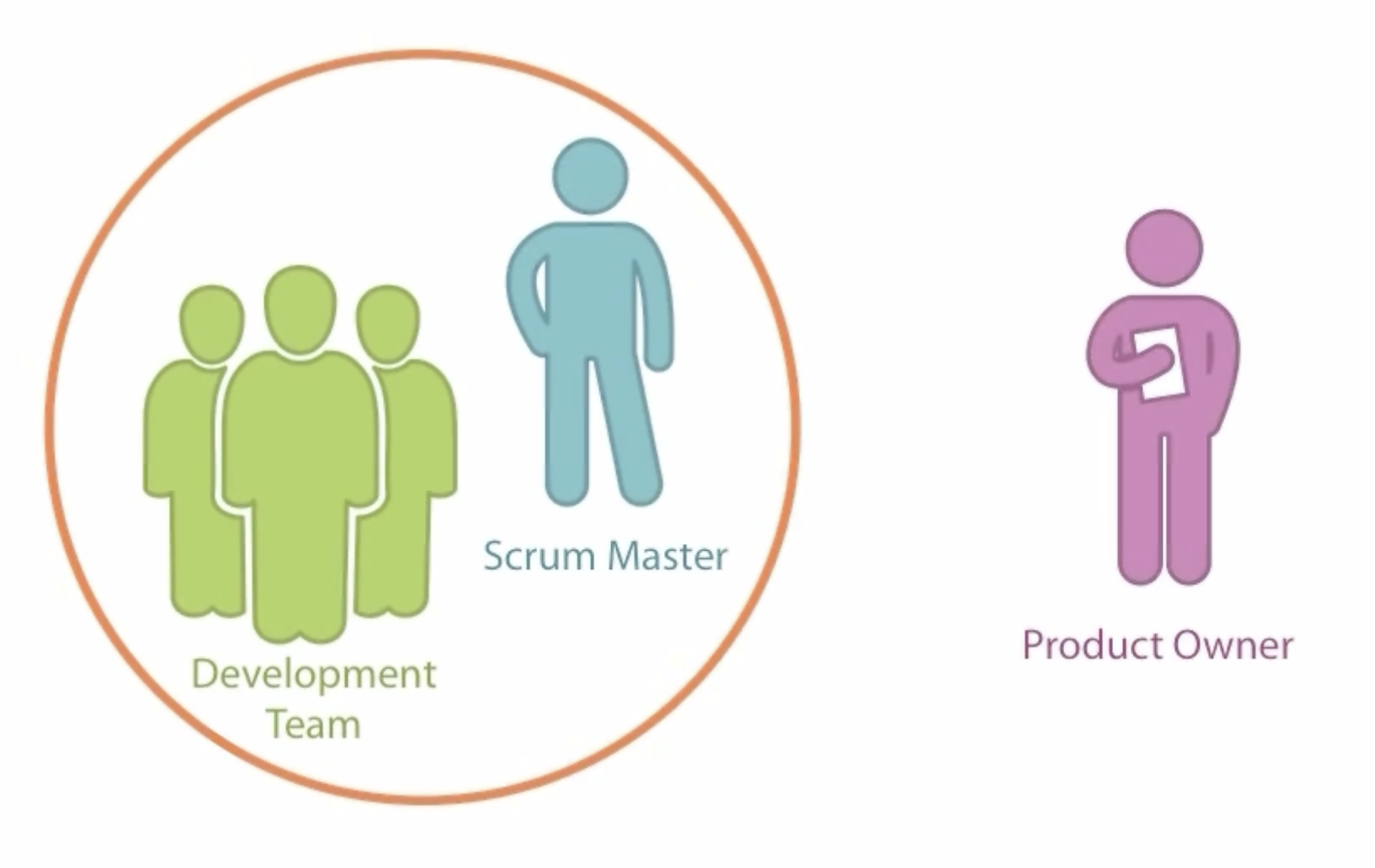
inside team (improves odds of success)
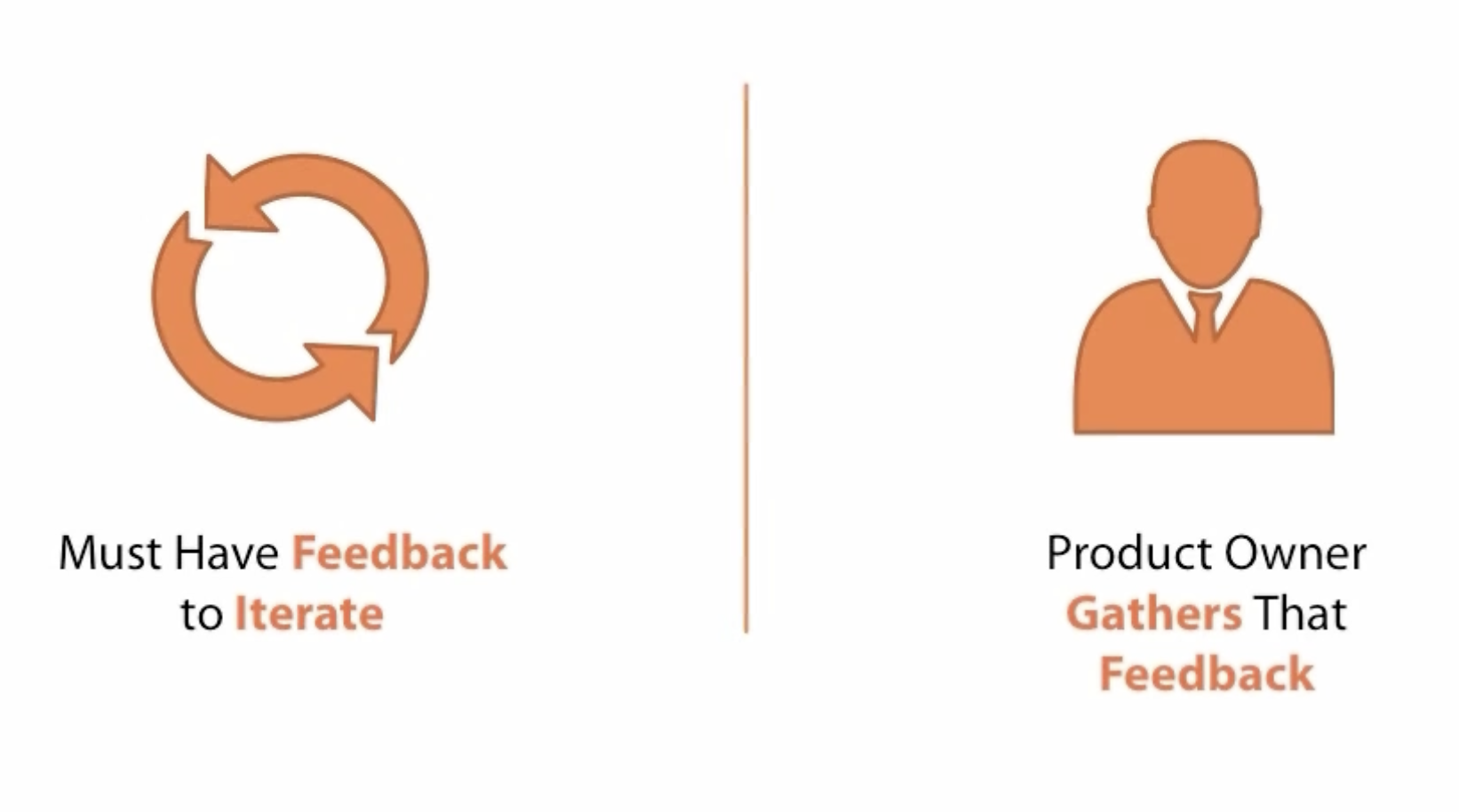
The Product Owner is responsible for gather feedback
Feedback is necessary in order to Iterate
- This can typically happen when the product owner is a high-ranking executive and simply doesn't have time to work with the team
- Product Owner works remotely AND doesn't make the effort to interact with the team on a daily basis or the product owner simply refuses to participate in the process
Symptoms
- Product Owner doesn't attend meetings (Daily Standups & Sprint Planning)
- Only communicates electronically (i.e. Email, Jira)
- Feedback arrives too late for team to act on it
- Feedback requires clarification which never comes or arrives too late for team to act on it
- Not engaged during demos
- Provides feedback offline/asyncronously (lack of engagement)
Solution
- Proxy Product Owner: gives someone on the team authrity to make decisions on behalf of the product owner
- Work with the product owner to choose the correct individual
- Can be a more junior person or could be a developer on the team with an affinity for product ownership
- Establish boundaries: Which decisions can proxy make on their own and which will they need to consult with product owner for
Advantages
- Builds an appreciation of the business
- Shares the customer's perspective
- Buildes product owner skills in others
Disadvantages
- Will impact the proxy's time
- Proxy may not have role power
- Can lead to "tunnel-vision" backlogs
- May have blind-spots
- May not have power or authority necessary to affect certain decisions in the organization
- True product owner needs to be conscious of not overriding the proxy's decisions too often in front of the team
- Appears engaged, but, is often unprepared for those meetings
- Doesn't get back to team with answers in a timely fashion
- Unable to answer questions from the team
- Backlog isn't ready for planning sessions
- Stories are incomplete
Siren Solution: Multiple Product Owners
- Avoid trying to solve problems this way
- No unified vision for the product
- No clear authority for the team
- If two product owners exist and they tend to give different answers to questions, team will tend to go to the product owner that will give them the answer they want and not necessarily the answer that is best for the product/customer
Solution: Share Product Owner's Responsibilities
- Scrum Master (Agile Coach: Kanban) helps with backlog grooming
- Developers help with story writing (work with product owner: standard weekly session)
- Testers can help with defining acceptance criteria
- Make a list of product owner responsibilities and decide who can help with each one
Advantages
- Spreads product knowledge across the team
- Builds Product Owner skills in others
- Product Owner is no longer a single point of failure
Disadvantages
- Difficult to coordinate
- Beware of Product Owner becoming simply a reviewer
- Will impact the workload of other team members
- One person tries to serve both the Scrum Master and Product Owner Roles
- May not have access to customer in order to get feedback which is necessary to iterate
- Team may be engaging in low value work
Solution: Coach Up a New Scrum Master
allow current scrum master to focus on product ownership
- Current scrum master must now think long term
- Opportunity to coach up another scrum master from within the team
- This agile thing is great ... but we really need to meet this deadline
- "Agile does not work with deadlines" is a Myth
- Need to understand the tradeoff
- Features, Deadline, Team (size)
- Adding manpower to a late software project, makes it later (Fred Book, "The Mythical Man Month")
- Teams evolving in a cycle:
- Forming: team members are polite, just getting to know each other
- Storming: team members start to feel each other out and conflicts tend to arise
- Norming: conflicts get resolved & people start to slip into comfortable roles and relationships
- Performing: Team gels and things start to take off
- Each time the team changes, this process is reset and we need to start over from "Forming"
- Fulcrum: Deadline => Features (if we need to meet a specific ship date, continue removing lowest priority features until we get there)
- ...
Culling Stories to Fit the Release
- All stories need to be estimated and prioritized in product backlog
- Know points team completed per sprint (velocity)
- Know how many sprints are left in release before ship date
Story Points
A way of estimating effort that taking into account time and complexity.
Example
- Team is averaging
10points per sprint (Has a Velocity of10) - # Sprints remaining in release:
3 - Remaining Capacity: ([Velocity] * [# Sprints remaining in release]) =
30
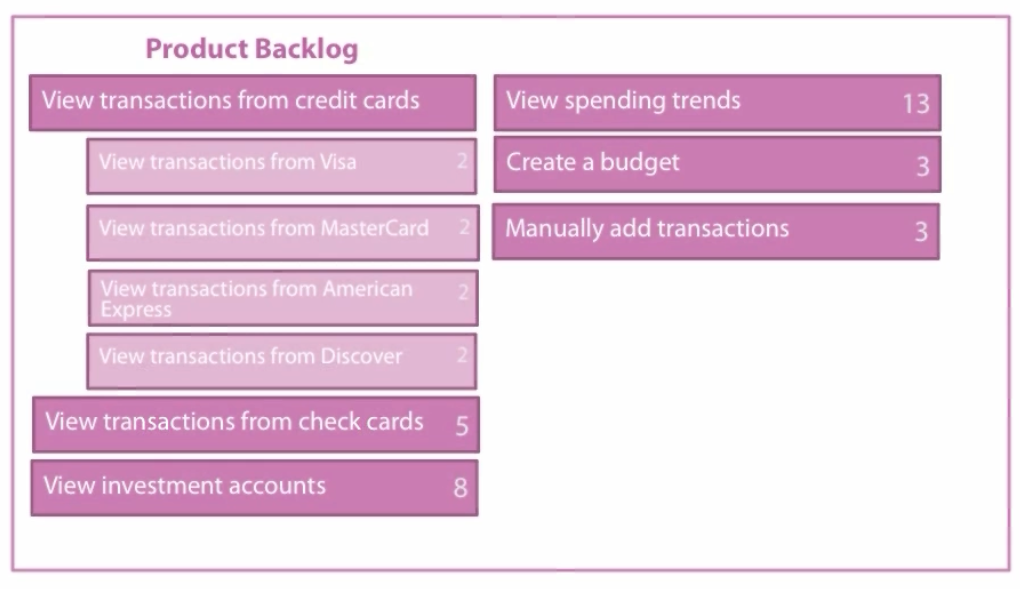
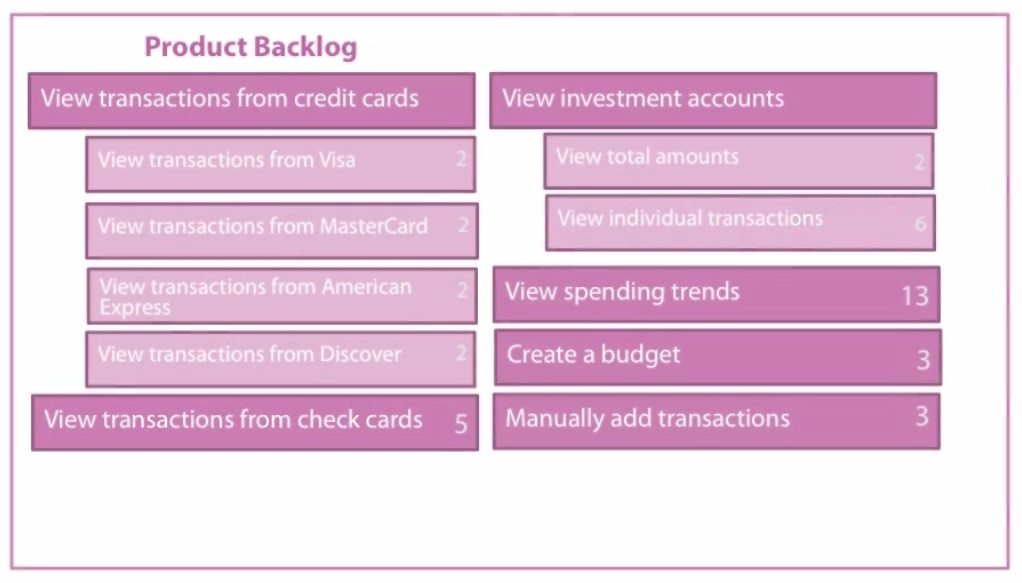
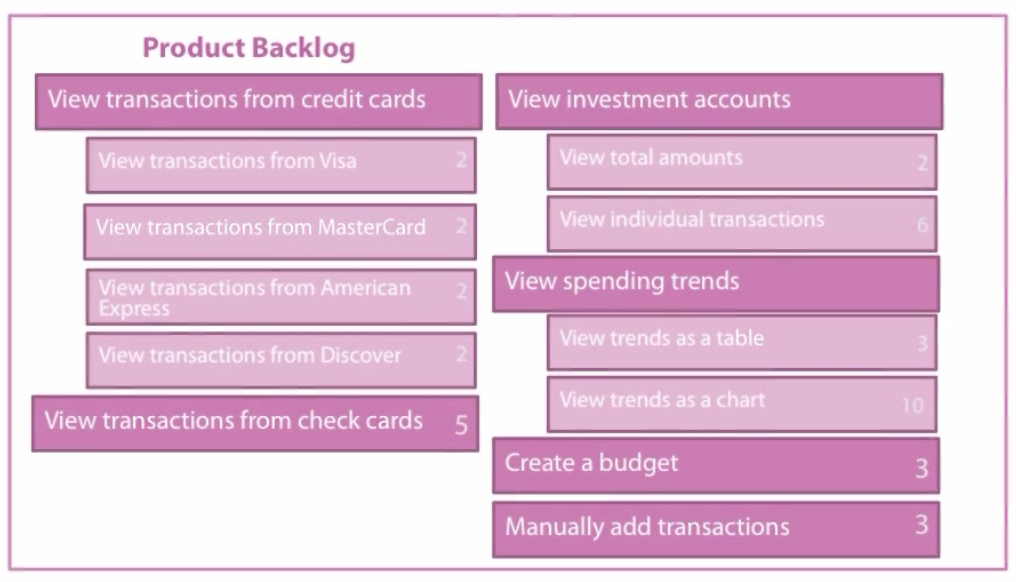
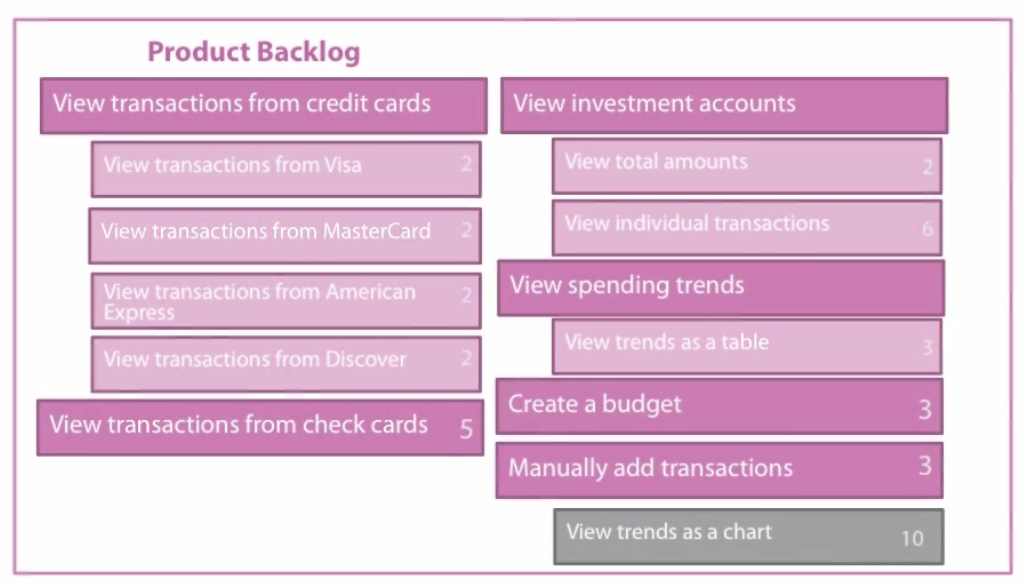
- Story slicing lets us slice stories as thin as possible so we can get more stories into a release (albeit with less functionality in each story)
- Improves the odds that more high-value stories will be included in each release
- Allows getting more work in front of customer at the time in order to get better feedback on the bredth of the entire product
- Less re-work
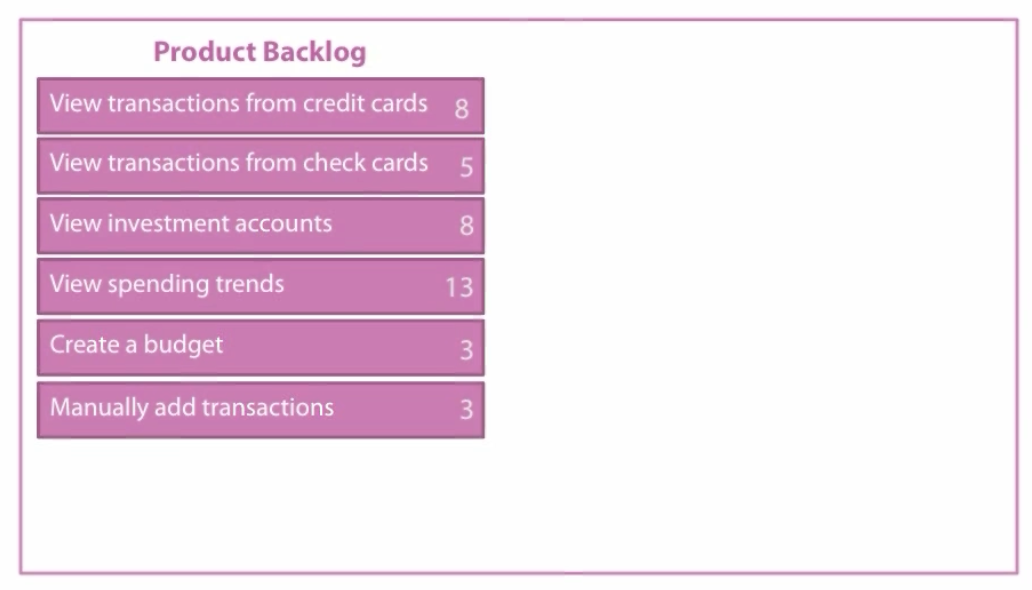
Slicing Stories to Fit the Release
- Begin with a prioritized backlog
- Start with largest stories
...
...
...
...
...
Planning Multiple Releases
- If we have a predictable release cadence (every six weeks), we can add the relase date to the backlog and stack them with the estimated stories based on how many points we expect to complete per week.
- The amount of stories in each release is a function of the number of sprints in that relase and the team's average velocity
- Revisit future release plans often
- Be flexible with priorities (allow for change)
- Understand that release plans are projections and not commitments (the further you go into the future, the more tenuous those projections become)
- Planning is an iterative process
- Re-estimate the remaining work periodically throughout the release
- Keep the estimate high-level (save the detailed estimations for the release planning session)
- Revise your release plan as you learn more
Features > Deadlines
60points of work remaining in release20points per sprint average03sprints remaining
- Adjust dates to fit features
- If something changes (i.e. developer leaves after 2nd sprint), you have to adjust the plan
30points of work remaining in release15points per sprint average02sprints remaining
- Instead of 1 sprint remaining, we actually have
02 - Projected completion date moves out
Working Without Deadlines
"It'll ship when it's ready"
- Bloats the product and deletes the vision
- Without deadlines, it's easy to ignore aggressive prioritization (deadlines force prioritization)
- Misses the opportunity to make a few carefully selected set of killer features really great, instead, we ship a product with a grab-bag of underwealming features
Budgeting Our Points
- New feature Development
- Fixing Bugs
- Tackling Techincal Debt
- Regularly re-prioritize bug list (at least once per sprint)
- Order the bug list by most recently created
- The older a bug is, the less relevant it tends to be (often, older bugs refer to features of the app that have been removed or have fallen out of use)
- If a bug was reported over a year ago, but no new activity, it probably isn't critical
- A bug that was reported just a week ago, it's probaly relevant
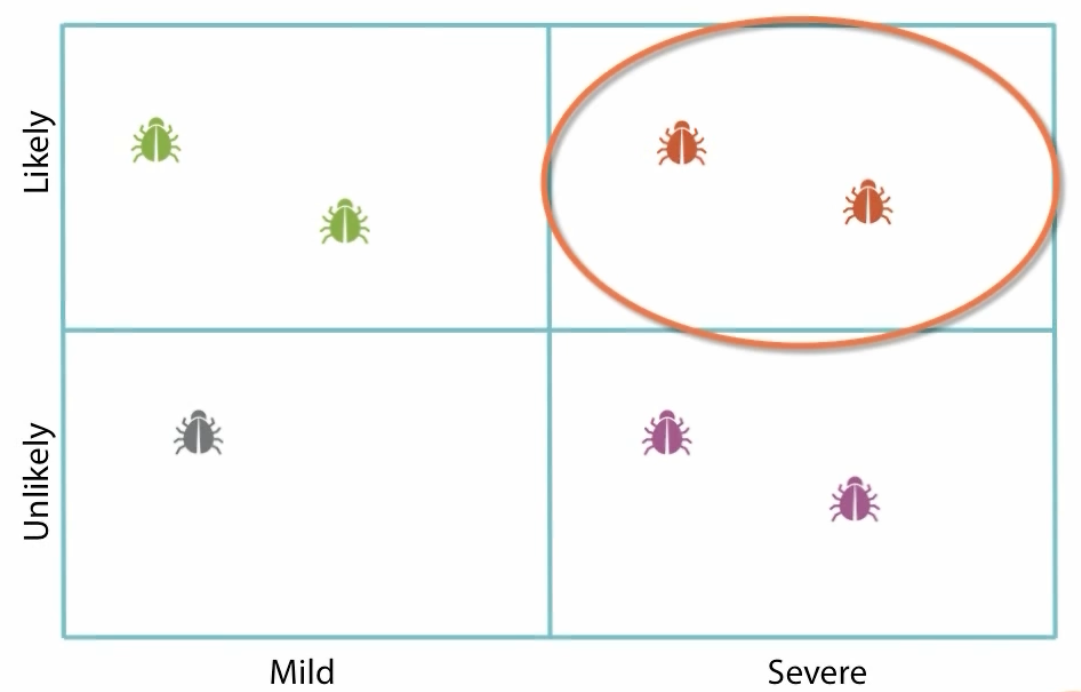
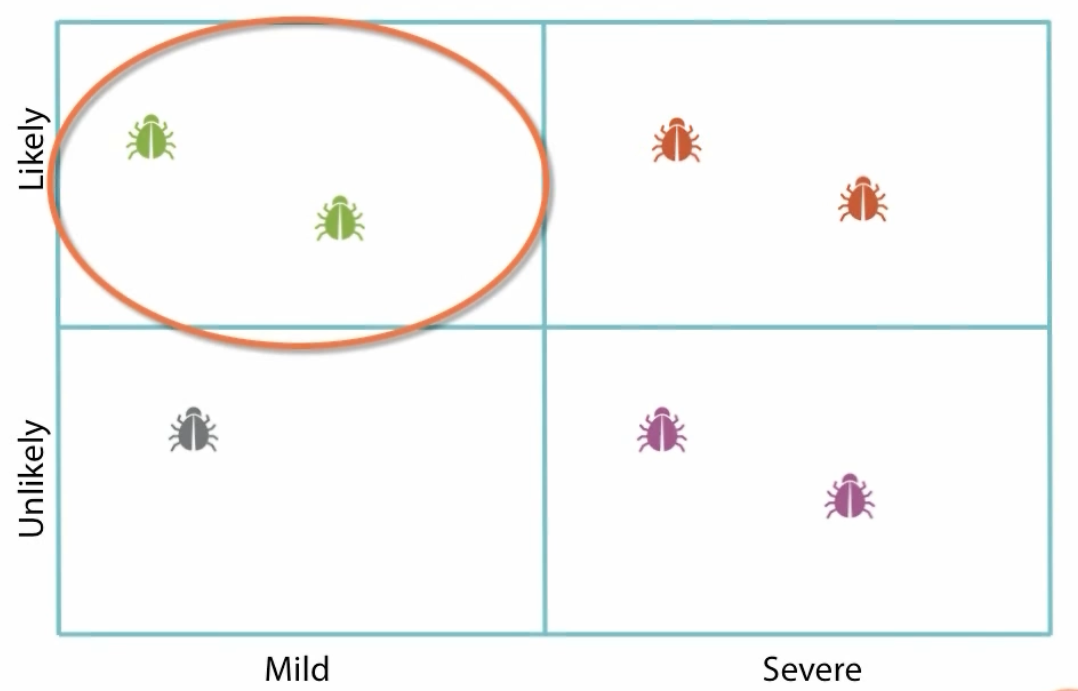
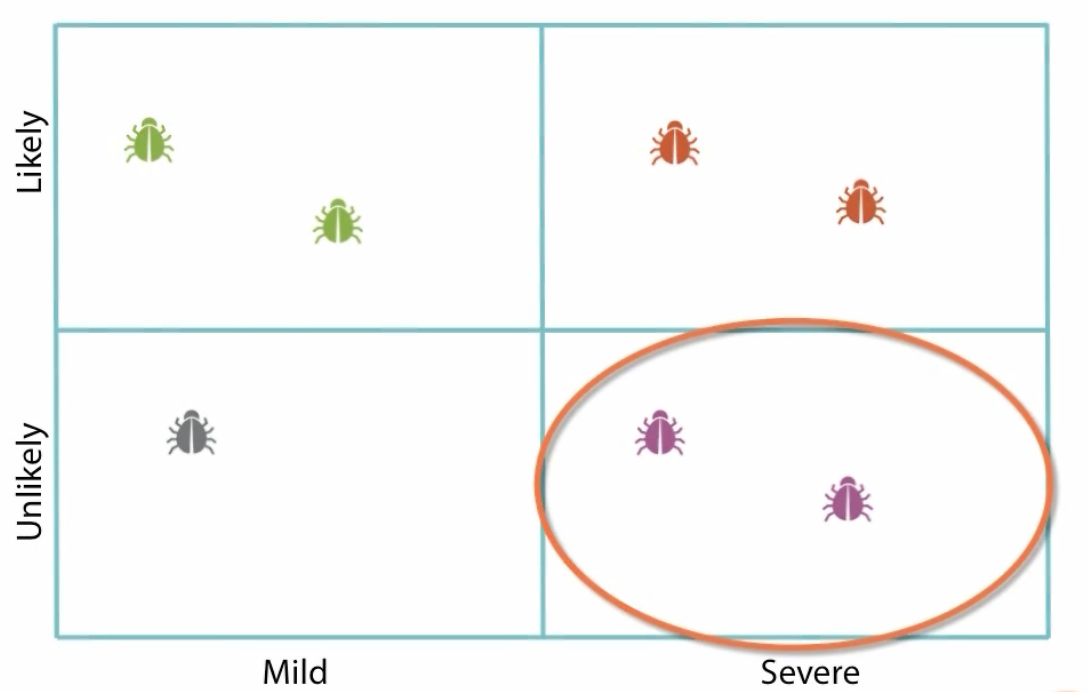
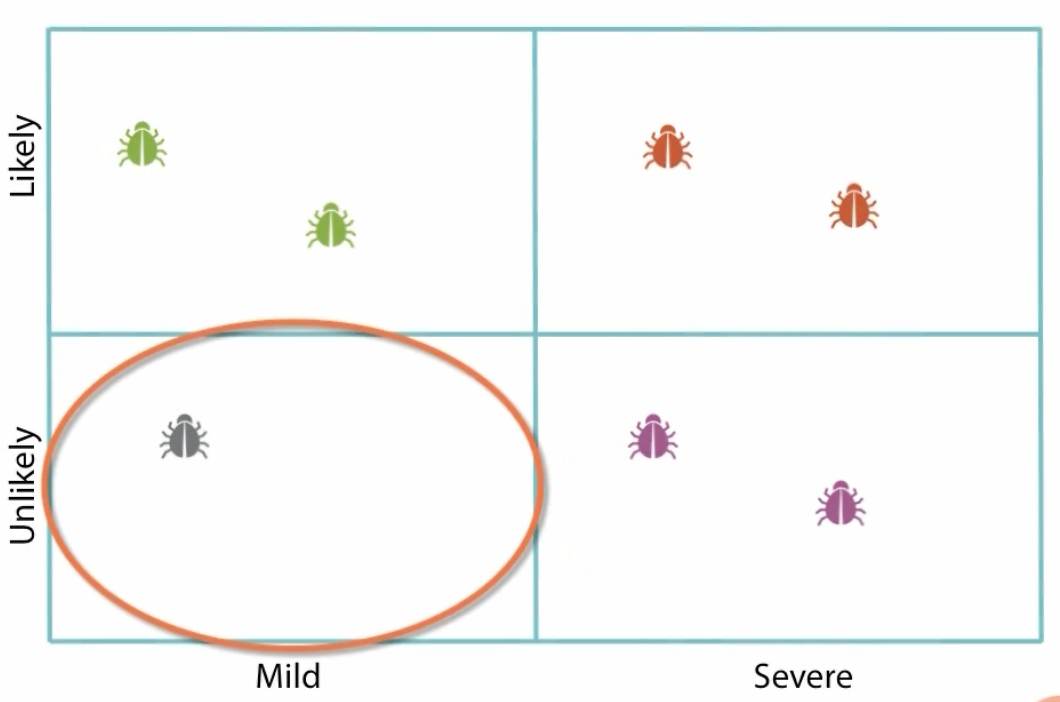
- Take top 10 bugs, then, figure out how likely it is to occur and figure out impact when bug occurs
Severe & Likely
Mild & Likely
Severe yet Unlikely
Mild & Unlikely
- Technical Debt is the result of a team make a technical decision for short-term gain which has long term repercussions
- Deferring long term benefit
- Short term gain
- Conscious decision
- Example: Deferring the update of an outdated charting library in favor of getting a feature to market sooner
- Isn't always a bad thing
- Take technical debt decision seriously
- Understand the downstream effects
- Make a repayment plan
- Decide to defer updating charts to get to market sooner
- Add a note to the origal story
- Create a new story to repay the technical debt
- Use a different color for technical debt (labels, colors, tags, etc)
- Set a due date
Building Your Budget
Averaging 50 points velocity per sprint
Spend the majority of points on new development. Use a bug/technical debt balance that makes sense to you. Be flexible.
- 30 points for new development
- 13 points for bugs
- 7 points on technical debt
The Bug Fire Lane
Showstopper bugs have to be fixed immediately
- An express lane in which high-priority bugs can be placed into the sprint without going the normal sprint backlog and planning process
- At the beginning of each sprint, a developer is choosen as the fire-fighter
- The firefighter is responsible for triaging any bugs that are identified during the course of the sprint and if they are high-priority enough (i.e. critical) to warrent being fixed immediately
- When the firefighter isn't working on high-priority bugs, they work on normal work selected for the sprint
- Rotate the firefighter often
- Helps protect the rest of the team from interruption
- Gives greate exposure to the entire codebase outside of their normal area of experiese
- Help stakeholders feel at ease that bugs will be handled in a timely manner
- Doesn't completely protect the team from interruption: the firefighter may still need guidance from another team member if the bug is within an area of the codebase that is unfamiliar to the current firefighter.
- Great way to learn the codebase
- Can pair less experienced developers with more experienced developers
Showstopper Criteria
- Lost or corrupted data
- Blocks normal workflow
- Prevents user access
- Balancing Bugs and Debt with New Development
- Handling high priority bugs after a sprint begins
Concrete techniques for scaling agile across multiple teams ... Scaling agile is not the same as adopting agile
- Strategies for splitting teams
- Keeping teams in sync
- Sharing knowledges between teams
- Build teams around features, not layers
Team Composition
- Each team should have all the skills necessary to deliver a complete feating within a single sprint
- The advantage of cross-functional teams far outweight the learning curve
- Cross-functional teams produce value quicker since there is no hand-off stage between each tier and teams are not blocked waiting for other teams to complete work
- More flexible since there is a richer mix of skills present on each team
Sitting Idle
- Sitting idle is the best thing for teams to do when there is no high-value work to do: often teams are tasked with low-value work that hasn't been fully thought through; this produces work which in term creates applications for other teams that are already overloaded and creates features that have to be maintained long-term
Additional Roles for the Team
- Testing
- Operations
- User Experience (UX)
Working with Shared Team Members
Build relationships ...
- Integrate the team member into every meeting
- Determine amount of time team member can commit to team (calculate into capacity planning)
- Ensure team member attends ALL standard meetings (i.e. standup, sprint planning, demo)
How Big do We want each Teams to be?
7, plus or minus 2
- Less than 5 won't have enough skills - teams must deliver features end-to-end
- More than 9 are too complex to coordinate - Communication pathways increase exponentially
- Should only be used a rule of thumb, not gospel
Amazon Two Pizza Rule
- No team should be so big, it can't be fed by two pizzas
- More tangible
- No lower bound
Few Large Teams or Many Small Teams?
- Smallest amount of teams that can still be fed by two pizzas
Don't be afraid to experiment
Forming, Norming, ...
- Teams take time to gel
- Be patient
- Wait 2 to 4 sprints
Staying in Sync
Morning Scrums (Daily Scrum, Daily Standup)
- No more than 15 minutes
- What did I do yesterday, What am I don't today, What's in my way
Scrum of Scrums
Goal is to coordinate work across multiple teams
- Keep them High level
- On behalf of your team (high-level roll-up)
- More "We" language
- One Person per Team
- Good for team lead to attend this meeting
- Hold less frequently (T & TH or MWF) -> Can be daily in some cases if there is enough to go over
- This can go 30 - 45 minutes depending on how long it takes to resolve issues
- If it goes longer but it productive, that's ok
Retrospectives
- What went well?
- What didn't go so well?
- What should we try next time?
Retrospective of Retrospectives
- Focus on Interaction
- What has worked well or not so well in each team
- Works well in organiznations where all the scrummasters are new
- Gain insight from experiences of others
- One person from each team attends (best team member is Scrum Master); though, not uncommon for others to attend as well
- Hold once per sprint
Community of Practice
A group of people who share common interests and meet periodically to exchange ideas or tackle specific problems that may be plauging the organization.
- General exchange of information
- Members share a common interest
- Ongoing or specific problem
- Differing levels of participation
Examples
- Testers
- Interested in Dynamic Languages
- How to improve automated test coverage
- Automate the deployment process
Encouraging Communities of Practice
- Watch for communities to form naturally (encourage group to form community of practice)
- Do the same people tend to discuss the same issues at scrum of scrums or retrospective of retrospectives?
- Encourage this group to form a community of practice: provide time in schedule, space, food, etc...
- Nudge communities into a recurring cadence
- Key: self organization
- Allow communities to fade if it stops serving a purpose (once it's outlived it's usefulness, let it go)
Scripts I noticed that you, Sally & Jen, stick around after scrum of scrums on most days to talk about our deployment issues, Why don't you setup a standing meeting every two weeks so you can have some dedicated time set aside to give those issues the attending they deserve.
Resources of Scaling Agile
Wrapping Up
- Ideal team size and composition
- Keeping teams in sync
- Growing communities of practice
Staggering Sprints
- The product is never releasable
- Sharing team members becomes more complex
- Coordinating teams becomes more complex
Syncronizing Sprints
- Gives a predictable time when all teams are paused
- Sharing team members becomes simpler
- Coordinating teams becomes simpler
Nesting Sprints
- Possible to mix teams with different priorities
- Gives a predictable time when all teams are paused
- Differing sprint lengths can be complex
Two Places at Once
Staggering Planning
- Some organizations have a single Scrum Master across all teams (use staggered meetings or stagger sprints slightly)
- Easy to implement across a few teams
- Creates "dead space" in the sprint for each team
- Doesn't scale beyond 2-3 teams
Simultaneous Planning
- Teams go to opposite sides of a large room and
- All sprints kickoff and conclude together
- Key people are available for multiple teams at once
- Encourages cross-pollination
- It's fun
- Doesn't work for shared Scrum Masters who may be coaching multiple teams
- New Teams aren't yet at the stage where they can facilitate themselves
One Backlog per Product
- Can use filters (must be using an electronic tracker tools, does not work for a physical board)
- Disadvantage: Creates tunnel vision
- Can color-code based on team most likely to pick up
- Advantage: Works for physical boards, Helps teams easily spot relevant stories
- Advantage to product owner: Let's the Product Owner see the "big picture" - All stories are weighted against all others
- Advantage to product owner: Helps optimize the work of all teams - Keeps all teams focused on high priority work
- Faster answers to question
- Builds in-depth knowledge
- Creates relationships
Chief Product Owner
- Owns the vision of the overall product
- Prioritizes between features
- Works with the customers
Team Product Owner
- Advocates for their features
- Executes on their features
- Works with the teams