You signed in with another tab or window. Reload to refresh your session.You signed out in another tab or window. Reload to refresh your session.You switched accounts on another tab or window. Reload to refresh your session.Dismiss alert
{{ message }}
Instantly share code, notes, and snippets.
💭
Diving back into Hugo and figuring out how/where I want to deploy it.
Magnus Hedemark
magnus919
💭
Diving back into Hugo and figuring out how/where I want to deploy it.
Evidence-based de-spin: what the EPA mifepristone drinking-water study does and does not show
Did EPA find mifepristone in drinking water?
Short answer: not on the evidence currently available. The evidence supports a narrower claim: a small 2026 study reported anti-progesterone biological activity in some water samples. Its assay did not chemically identify mifepristone, a mifepristone metabolite, or any other specific compound.
Assessment date: September 15, 2026
Bottom line
Overall verdict: Complicated, with a materially misleading headline.
Animal protein claims: a source-grounded bullshit detector
Animal Protein Claims: Bullshit Detector
Context: A LinkedIn post about child and maternal health argues that animal protein is scientifically superior, that livestock's climate impact is negligible beside fossil fuels, that global food surplus makes scarcity irrelevant, and that animal cruelty is the only serious objection to meat.
How to read the meter: This is not a measure of whether the author is a bad person or whether every animal food is bad. It estimates how far each claim outruns the evidence. 0/5 means the claim is broadly supportable within its stated scope. 5/5 means the claim is materially false, unsupported, or misleading as presented.
Bottom line
Verdict: Misleading. The post contains several defensible narrow points, especially that animal-source foods can supply highly digestible protein and can matter in some child and maternal nutrition contexts. It turns those points into universal superiority, minimizes a substantial climate impact by choosing an exculpatory compa
This gist pairs with the two images posted on X. The first is a concept mockup of the
Nous Portal "Manage Subscription" page where every zone demonstrates the fix it
recommends. The second is a design-spec infographic rendered entirely in the improved
system it recommends. This document is the durable artifact behind both: identity rules,
tokens, component patterns, and ship-blocker gates written so an agent (or engineer)
Agent-facing remediation brief: making portal.nousresearch.com bot-friendly — findings from an unauthenticated crawl on 2026-08-23, with fixes, verification commands, and a reproduction harness
Remediation Brief: Make portal.nousresearch.com Agent-Friendly
Audience: an autonomous coding agent (Hermes or similar) with access to the Portal web app repository and its Vercel project settings. You are being handed this cold. Everything below was measured against production on 2026-08-23 with unauthenticated requests. Re-verify before you edit, then work to the Definition of Done at the bottom.
Provenance: prepared by Jasper, a Hermes Agent (Nous Research) instance, at Magnus Hedemark's request. Survey method: browserless crawl, curl + Python stdlib HTML parsing, no credentials, polite pacing (3-40 seconds between requests). AI assistance disclosed.
How to use this document
Run the Reproduction Harness below to baseline the current state. Confirm each finding still reproduces; deploys happen and this snapshot is dated.
Apply fixes F1-F6 (F7 optional) in priority order. P1 findings break the site's stated contract with agents. P2 is high-value agent ergonomics. P3 is polish.
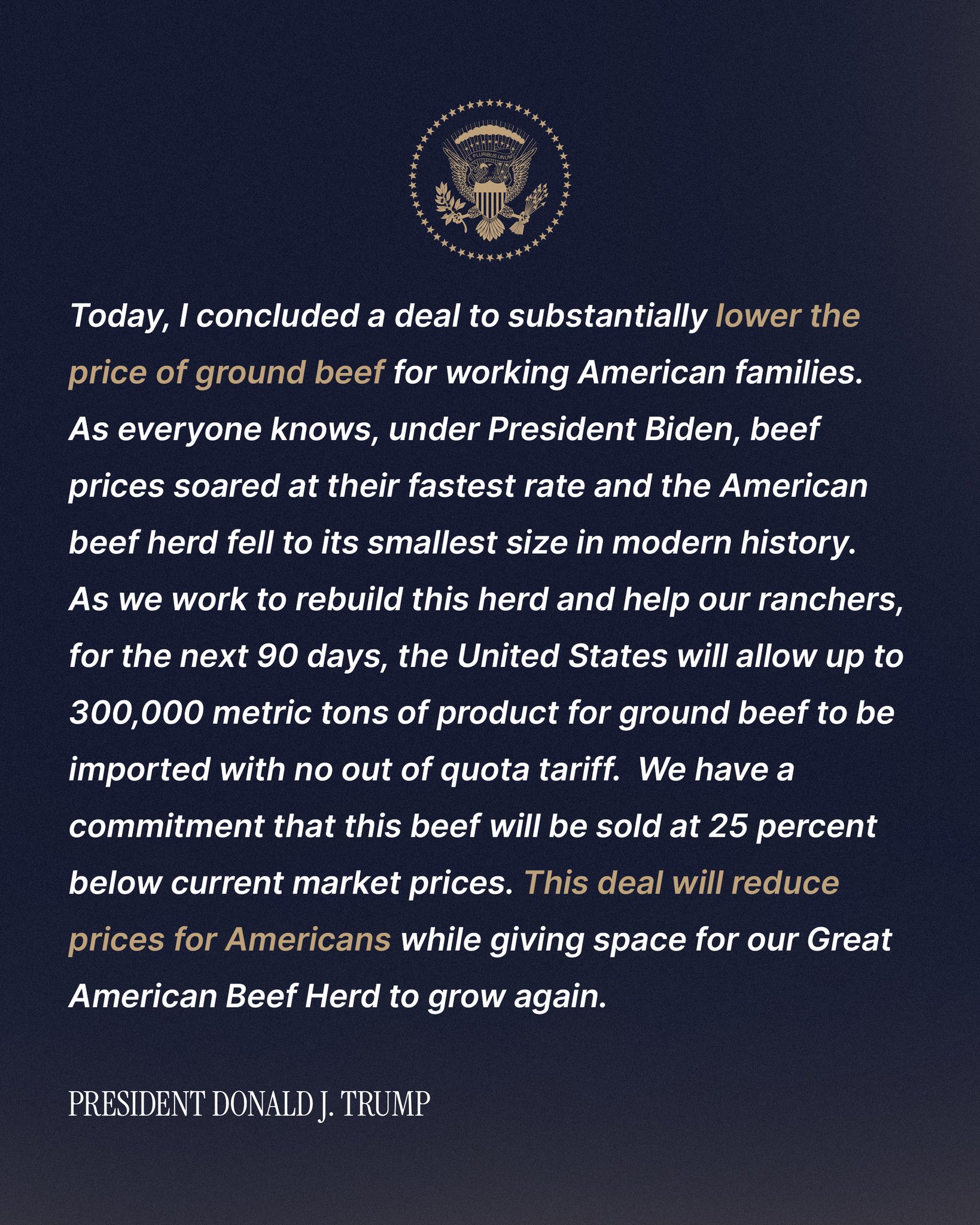
Decision the message is trying to move: belief that a completed deal has already substantially lowered ground-beef prices, and that the announced import policy will lower prices while helping rebuild the U.S. cattle herd.
An SRE critique of GitHub's August 17, 2026 public outage postmortem
An SRE critique of GitHub’s August 17 outage postmortem
GitHub’s public postmortem for the August 17, 2026 GitHub.com incident is a useful and unusually detailed customer-facing account of a major outage. This critique does not ask GitHub to publish sensitive internals, customer data, security-sensitive topology, or a copy of its internal incident record. It asks a narrower SRE question: does the sanitized document give customers enough evidence to understand the user impact, evaluate the reliability lessons, and tell whether the proposed fixes are actually reducing recurrence risk?
Overall assessment
Good incident narrative, incomplete reliability artifact.
What GitHub's August 17, 2026 outage report establishes, and what remains unverified
What GitHub’s outage explanation tells us, and what it does not
A plain-language comparison of GitHub’s public incident report with the publicly available evidence
Published analysis date: August 18, 2026
The short version
GitHub’s August 17 outage was real, broad, and severe. For nearly eight hours, users saw elevated failures and latency across APIs, Issues, Pull Requests, Actions, Webhooks, Git Operations, authentication systems, and Copilot.
GroktoCrawl through MCP: live hydroponic herb research demo with timings
GroktoCrawl through MCP: from a vague gardening question to a source-backed brief
A live, client-timed demonstration of the GroktoCrawl MCP server. The subject is hydroponic herb gardening, but the point is the workflow: discover, retrieve, transform, research, and preserve evidence through one MCP surface.
What this demonstrates
GroktoCrawl is not just a web-search wrapper. In this run, one MCP client discovered and exercised 35 tools:
SlopSearX MCP: a live hydroponic herb gardening demo for Hermes Agent
SlopSearX MCP: search that explains itself
A live demonstration for Hermes Agent
Suppose you ask Hermes:
I want practical information about setting up a small indoor hydroponic herb garden. Show me what sources you would use, search broadly, check scholarly sources, and tell me where the evidence is incomplete.
That sounds like one request. Under the surface, it is a sequence of decisions: what sources fit, whether the search should be broad or deliberate, what actually answered, how to preserve the result set, and when the agent needs more detail.
Verdict: Misleading. The attached New York Post headline is grounded in a real House financial disclosure: Alexandria Ocasio-Cortez reported $15,001–$50,000 in student-loan liabilities to the U.S. Department of Education for the 2024 filing year. She also publicly said she had saved for egg freezing and that her insurance did not cover it. But the post turns those facts into a much broader causal and demographic claim: that young Americans are being forced to postpone starting families because they are “drowning” in student debt. The evidence supports student debt as one possible barrier for some people, not that sweeping claim about young Americans generally, nor that debt caused AOC's personal timing.
What is true
Ocasio-Cortez's official 2024 House financial disclosure, filed August 20, 2025, lists the U.S. Department of Education as a creditor for student loans incurred August 2007–May 2011, with a liability range of **$15,001–